The struggle to preserve sacred Tibetan sites.

The Importance of Sacred Tibetan Sites

The sacred sites of Tibet hold significant cultural, religious, and historical importance for the Tibetan people and for wider communities interested in Himalayan traditions. Located across a vast plateau framed by the Himalayas, these sites include monasteries, temples, pilgrimage routes, caves, and mountains that have accumulated layers of meaning over centuries. They function not only as destinations for worship but also as centers of education, repositories of artistic expression, and markers of collective identity. Their continued relevance reflects the durability of Tibetan spiritual traditions and the ways in which landscape and belief are closely intertwined.

These locations are embedded within a broader worldview that understands geography as spiritually alive. Mountains, lakes, and valleys are often regarded as manifestations of deities or as sites blessed by revered teachers. As a result, sacred sites are not isolated structures but parts of a wider sacred environment. Ritual practices often extend beyond temple walls to include circumambulation routes, prayer flag installations, and seasonal pilgrimages that engage with the terrain itself.

Cultural and Religious Significance

Tibetan sacred sites play a central role in the preservation and transmission of Tibetan Buddhism, which has shaped the region’s culture for over a thousand years. Monasteries, in particular, function as institutional centers where monks receive training in philosophy, ritual practice, debate, and meditation. These institutions have historically maintained extensive libraries of manuscripts, many of which include commentaries, medical texts, and historical records.

The artistic tradition associated with these sites is also significant. Murals, statues, and ritual objects found within temples reflect a highly developed visual language. Iconography is used to convey complex philosophical ideas, often requiring specialized knowledge to interpret. The production of thangka paintings, sculptures, and mandalas demonstrates continuity in craftsmanship and symbolic representation.

Sacred sites also act as focal points for communal life. Festivals, ceremonies, and public rituals bring together different segments of society, reinforcing shared beliefs and practices. Events such as prayer festivals or commemorations of important religious figures often involve large gatherings and coordinated rituals that highlight the social dimension of religious life.

Examples of Sacred Sites

Among the many sacred locations in Tibet, several stand out due to their historical importance and ongoing relevance. The Jokhang Temple in Lhasa is widely regarded as the most sacred temple in Tibet. It houses the Jowo Shakyamuni statue, which is believed to represent the Buddha during his lifetime. Pilgrims frequently travel long distances to visit this temple, often performing prostrations along the way as part of their spiritual practice.

The Potala Palace, also located in Lhasa, served as the winter residence of successive Dalai Lamas until the 20th century. Architecturally distinctive, it combines religious, administrative, and residential functions. Its scale and design reflect both spiritual symbolism and political authority. The palace contains numerous chapels, shrines, and tomb stupas that commemorate past leaders.

Another major site is Mount Kailash, which holds significance across multiple religious traditions, including Buddhism, Hinduism, Jainism, and Bon. Rather than being climbed, the mountain is revered through circumambulation. Pilgrims undertake a demanding trek around the mountain, believing that completing the circuit brings spiritual merit. This practice illustrates how natural features can serve as central elements in religious observance.

Additional sites include monastic complexes such as Tashilhunpo Monastery and Sera Monastery, as well as sacred lakes like Yamdrok Lake. Each of these locations contributes to a broader network of spiritually significant places.

Challenges Facing Preservation Efforts

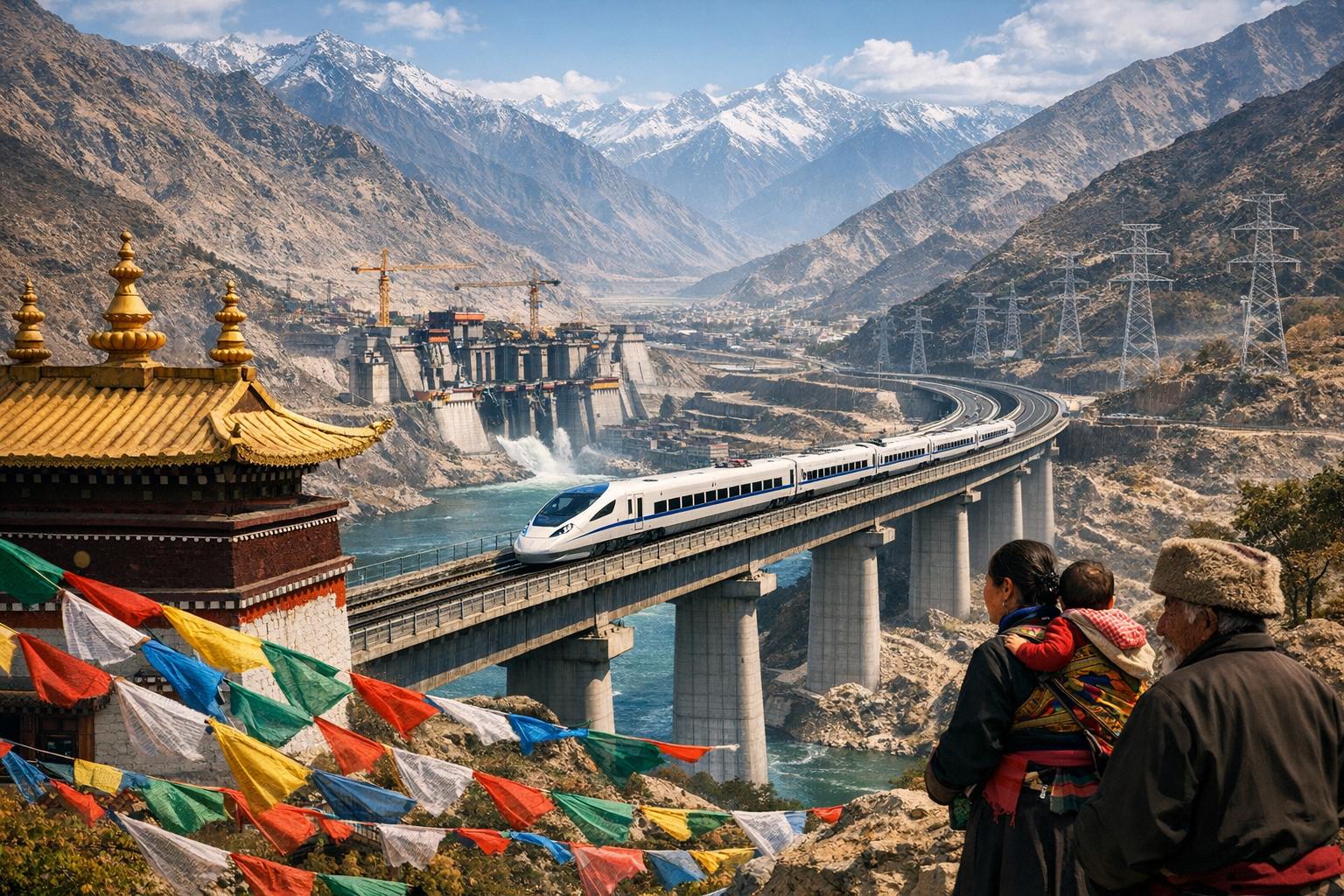
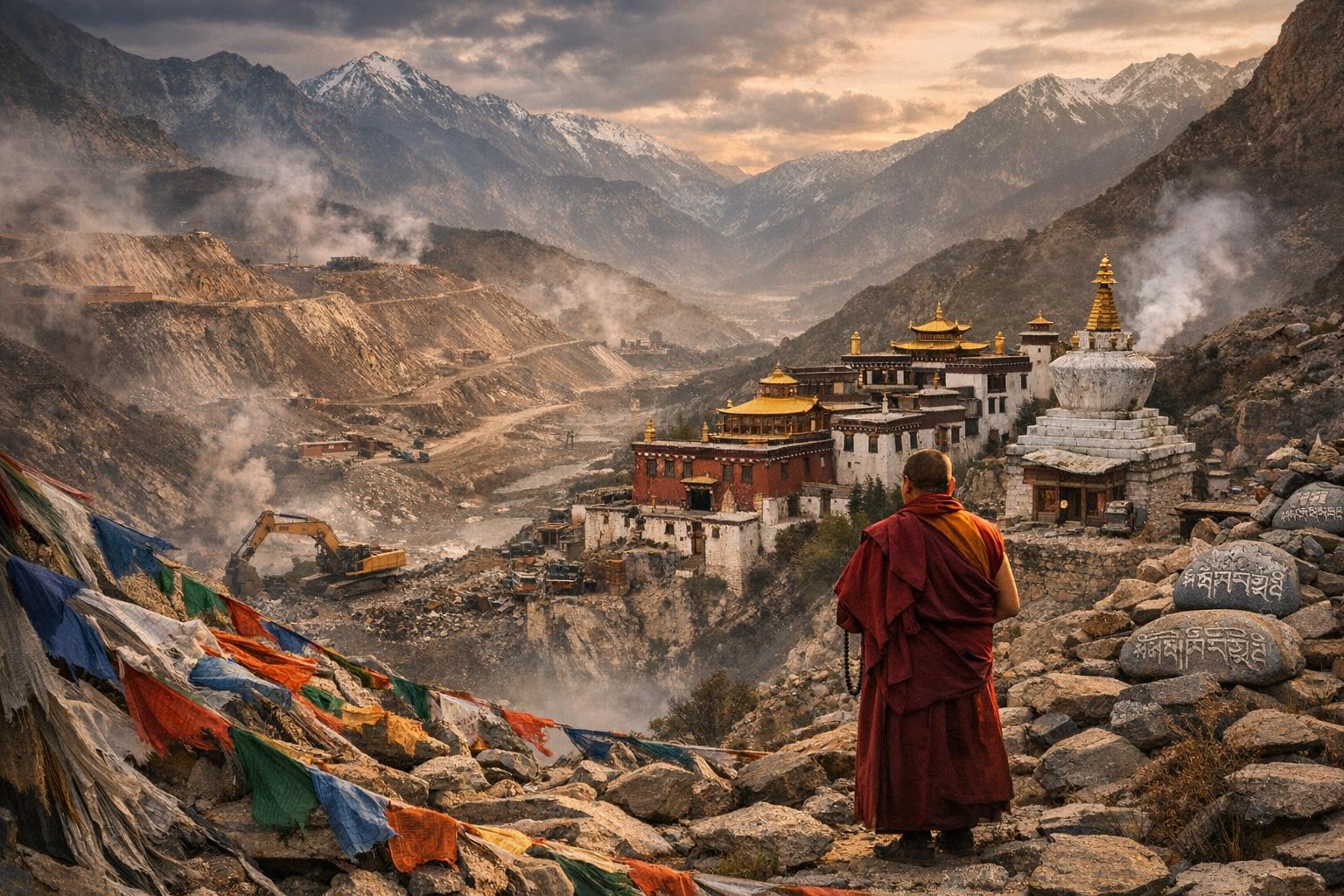
Preserving Tibetan sacred sites presents a complex set of challenges that involve environmental, social, and political factors. One major issue is environmental degradation. Increased tourism has led to a rise in infrastructure development, including roads, hotels, and visitor facilities. While these developments may improve access, they can also disrupt fragile ecosystems and alter the visual and cultural integrity of sacred landscapes.

High visitor numbers can place physical strain on ancient structures. Foot traffic, pollution, and inadequate waste management contribute to gradual deterioration. In high-altitude environments, where ecological recovery is slow, even minor disturbances can have long-lasting effects.

Political factors also influence preservation. Administrative control over cultural and religious sites can affect how they are maintained, funded, and used. Regulations related to religious practice, restoration projects, and monastic enrollment have shaped the current condition of many sites. In some cases, modernization initiatives have introduced new construction methods or materials that differ from traditional techniques, raising questions about authenticity and conservation standards.

Another challenge involves the transmission of traditional knowledge. Skilled artisans, such as mural restorers or thangka painters, require years of training. As economic conditions and social priorities change, fewer individuals may pursue these specialized skills, which can affect long-term preservation efforts.

International Support and Initiatives

Efforts to protect Tibetan sacred sites involve a range of stakeholders, including local communities, monastic institutions, and international organizations. Documentation projects have been undertaken to record architectural details, manuscripts, and artworks. Digital archiving has become an important tool, allowing for the preservation of cultural materials that might otherwise be lost.

Some initiatives focus on sustainable tourism practices. These aim to balance accessibility with conservation by promoting responsible visitor behavior and limiting environmental impact. Educational programs also play a role, increasing awareness about the cultural significance of these sites and the importance of preserving them.

Local involvement remains essential. Community-based approaches to preservation often emphasize maintaining traditional practices alongside physical conservation. This includes continued religious use of sites, which helps sustain their original purpose rather than turning them solely into heritage displays.

In conclusion, sacred Tibetan sites represent a convergence of spirituality, culture, and history within a distinctive geographical setting. While they face ongoing challenges from environmental pressures and political dynamics, a combination of local commitment and broader support provides a framework for their continued preservation. Their enduring relevance lies not only in their physical structures but also in the living traditions they support.
How Tibet is portrayed in Chinese media.

The Portrayal of Tibet in Chinese Media

Tibet occupies a distinct and complex position in Chinese media narratives, reflecting a combination of government policy, cultural perspectives, and regional development goals. As Tibet is designated an autonomous region within China, its representation is closely aligned with broader state priorities, including national unity, territorial integrity, and socio-economic progress. Media portrayals are not only descriptive but also serve a communicative function, shaping public understanding within China and influencing international perceptions.

Chinese media operates within a structured environment where state guidance plays a significant role in determining the boundaries and tone of coverage. As a result, reporting on Tibet tends to follow consistent thematic patterns, emphasizing stability, development, and cultural continuity. These narratives are often presented through news reports, documentaries, and feature stories that integrate historical interpretation with contemporary developments.

Historical Context and Sovereignty

In Chinese media discourse, Tibet is consistently framed as an integral part of China, with emphasis placed on historical continuity. Narratives frequently reference imperial-era relationships, administrative arrangements, and documented interactions between central Chinese authorities and Tibetan leaders. These accounts are intended to establish a longstanding connection that reinforces present-day sovereignty.

Historical events such as agreements between Tibetan authorities and Chinese governments are portrayed as formal affirmations of unity rather than contested political transitions. Media coverage often avoids extended discussion of alternative interpretations, instead presenting a linear narrative of integration. By grounding modern governance in historical precedent, these portrayals aim to legitimize current administrative structures.

Another aspect of historical framing involves the depiction of pre-modern Tibet. Reports sometimes contrast earlier social systems with contemporary governance, presenting modernization as a transition from less developed conditions to current stability. This framing supports a broader narrative that links political authority with social and economic progress.

Cultural Heritage and Preservation

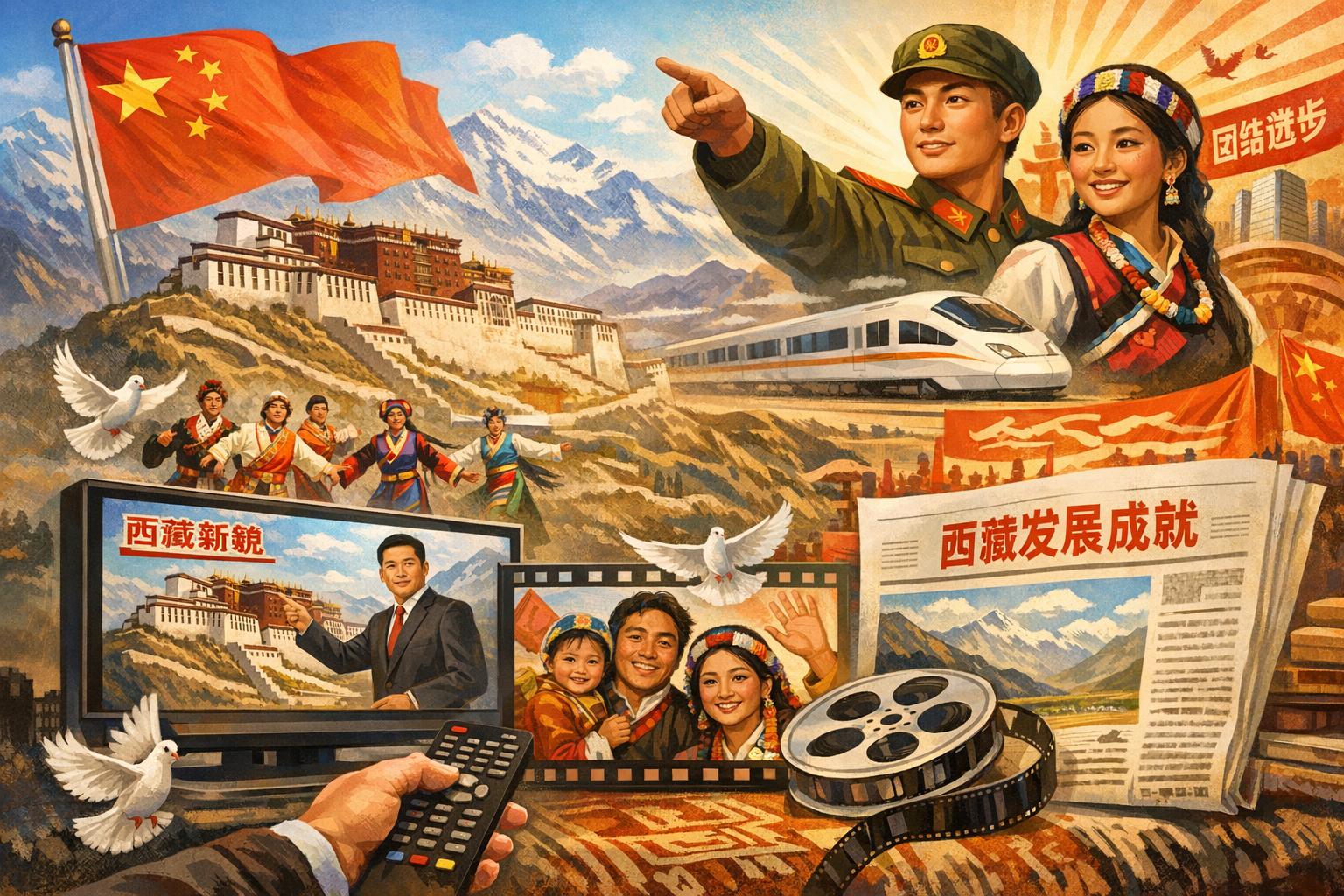
Chinese media devotes considerable attention to Tibetan cultural heritage, presenting it as both distinctive and protected. Coverage frequently includes visual and descriptive accounts of religious ceremonies, traditional festivals, and artistic practices. Common depictions include colorful festivals, traditional music, and intricate handicrafts, emphasizing the respect and value placed on Tibetan culture. These portrayals often highlight continuity, suggesting that cultural traditions remain active and visible in everyday life.

Government initiatives related to cultural preservation are a recurring theme. Media reports detail funding for monasteries, restoration of historical sites, and documentation of intangible heritage. Tibetan Buddhism, in particular, is presented within an institutional framework that emphasizes regulation alongside preservation. Coverage typically underscores the idea that religious practice is supported within established guidelines.

Language and education policies are also occasionally featured, especially in stories discussing bilingual education and cultural transmission. These narratives present cultural preservation as compatible with modernization, suggesting that economic development does not necessarily lead to cultural erosion. However, discussion remains focused on state-supported efforts rather than independent cultural dynamics.

Economic Development

Economic development is one of the most prominent themes in Chinese media coverage of Tibet. Reports frequently highlight infrastructure expansion, including transportation networks such as highways and railways, as well as energy and telecommunications projects. These developments are presented as essential for integrating Tibet more closely with other regions and improving accessibility.

Media narratives often include statistical indicators such as income growth, poverty reduction rates, and increased access to public services. Stories may feature individual accounts of improved living conditions, illustrating broader trends through specific examples. Education and healthcare advancements are commonly emphasized, with reports describing new schools, hospitals, and social services.

Urbanization is another recurring topic, particularly in discussions of regional centers such as Lhasa. Coverage may describe changes in housing, employment opportunities, and business activity, presenting these developments as evidence of modernization. At the same time, rural development programs are highlighted to show efforts aimed at reducing regional disparities.

While economic progress is consistently portrayed in positive terms, there is limited discussion of challenges or unintended consequences. Issues such as environmental impact or cultural shifts are not typically central to mainstream narratives, which tend to prioritize measurable development outcomes and policy success.

Unity and National Identity

A central narrative in Chinese media is the promotion of national unity and a cohesive identity. Tibet is frequently described as part of the “big family of the Chinese nation,” a phrase that conveys both inclusion and interdependence. Media representations emphasize cooperation among ethnic groups, presenting diversity as compatible with national cohesion.

Stories often highlight interactions between Tibetan communities and other ethnic groups, particularly in the context of economic cooperation or cultural exchange. Official events, public celebrations, and government programs are depicted as opportunities for reinforcing shared identity. These accounts aim to illustrate harmony and mutual support across different regions and cultures.

Education and public messaging play a role in reinforcing this narrative. Media coverage sometimes reflects how schools and institutions promote a unified national history and identity while acknowledging regional characteristics. The portrayal of unity is not only descriptive but also prescriptive, encouraging alignment with broader national goals.

This framing extends to depictions of governance, where central and regional authorities are shown working collaboratively to address local needs. Administrative structures are presented as mechanisms for ensuring both autonomy in cultural matters and consistency in national policy.

Handling of Dissent and Controversy

Chinese media coverage of dissent in Tibet is generally limited and carefully framed. Instances of unrest or disagreement are often attributed to external influences rather than internal conditions. Reports frequently describe such events as the result of foreign intervention or separatist activity, positioning them outside the scope of ordinary social dynamics. This approach supports the broader narrative of stability and unity.

Law enforcement actions and security measures are typically presented as necessary responses to maintain public order. Media accounts emphasize legality and proportionality, portraying authorities as focused on protecting both citizens and national interests. Coverage rarely includes detailed examination of underlying grievances or alternative viewpoints.

International criticism related to Tibet is also addressed within this framework. Media responses tend to reiterate sovereignty claims and reject external involvement, framing such criticism as interference in domestic affairs. By maintaining a consistent narrative, Chinese media reinforces a particular interpretation of events that aligns with official policy positions.

Overall, the portrayal of Tibet in Chinese media reflects a structured and coordinated approach to communication. It integrates historical narrative, cultural representation, and economic reporting into a cohesive account that emphasizes stability, development, and unity. While this perspective provides insight into official viewpoints, it represents one of several ways in which Tibet can be understood and interpreted.

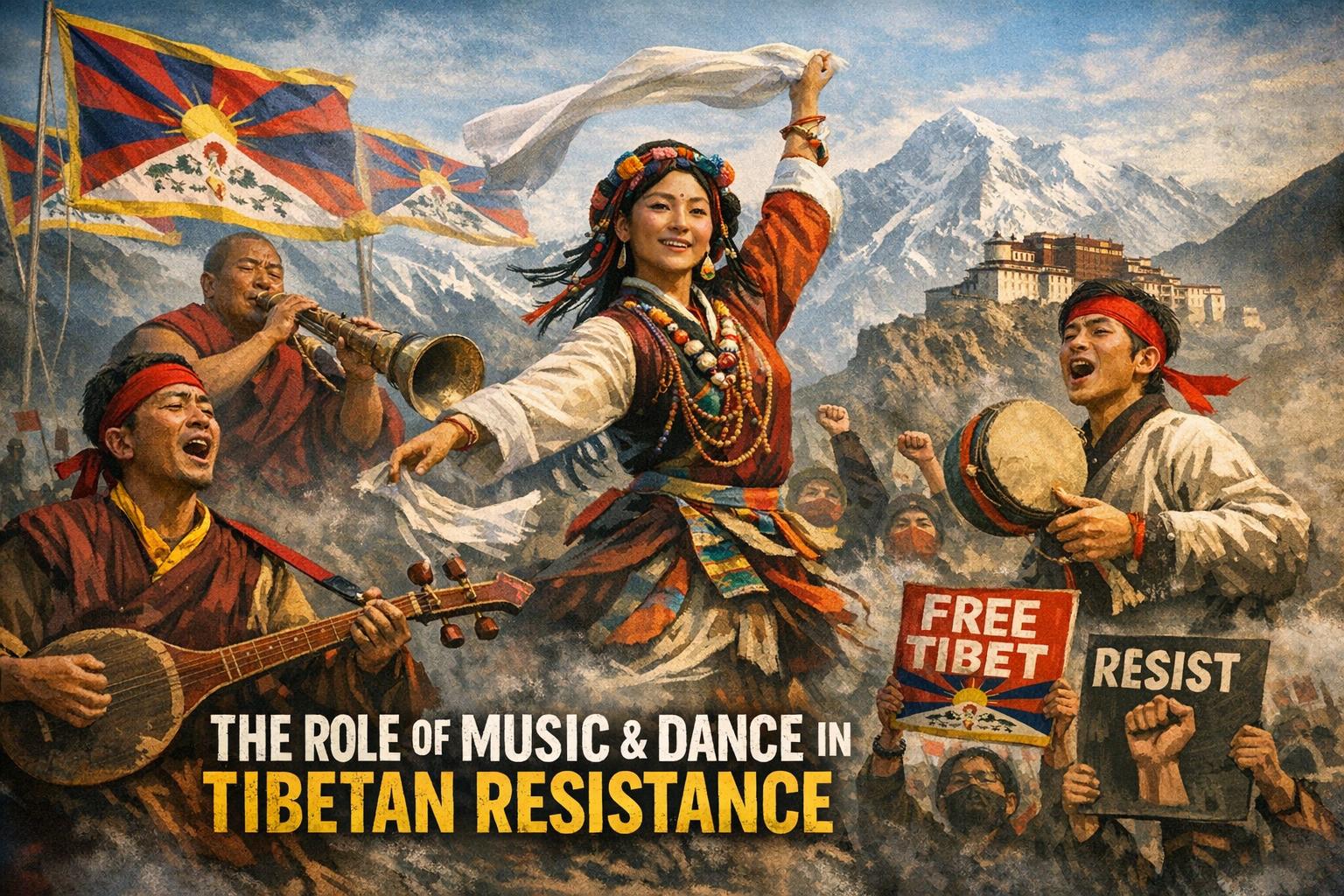
The role of music and dance in Tibetan resistance.

The Role of Music in Tibetan Resistance

Music has served as a significant component of Tibetan resistance, reflecting the socio-political struggles of the Tibetan people across decades of change. Tibetan musical traditions, shaped by religious practice, oral storytelling, and regional diversity, offer a framework through which identity can be maintained and expressed. In contexts where political expression is restricted, music often becomes an indirect but effective medium for communicating collective concerns. Lyrics, melodies, and performance styles carry layered meanings that resonate with shared historical experiences.

Tibetan music frequently incorporates traditional elements not only for cultural preservation but also as a subtle mechanism of resistance. Songs may emphasize themes such as homeland, continuity, and spiritual belonging, which reinforce a sense of shared identity. While not always overtly political, these themes can function as coded expressions of dissent. The repetition of motifs tied to landscape, language, and memory reinforces connections that transcend immediate political constraints.

Traditional Tibetan instruments such as the dranyen, a lute-like string instrument, and the gyaling, a reed woodwind instrument used in ceremonial contexts, are often featured in these compositions. Their distinctive sounds anchor contemporary works in older traditions, providing continuity between generations. Rhythmic structures and melodic patterns frequently draw from ancient musical forms, ensuring that even newly composed songs retain recognizable cultural features. This blending of historical and contemporary elements allows music to act as both preservation and adaptation.

In addition to instrumentation, vocal style plays an important role. Tibetan singing often involves sustained tones and ornamentation that reflect regional styles. These techniques contribute to a recognizable soundscape that listeners associate with Tibetan identity. As a result, even instrumental or abstract compositions can evoke a sense of belonging and collective memory.

The Impact of Musical Artists

Contemporary Tibetan musicians have expanded the role of music by incorporating modern genres such as pop, rock, and hip-hop into their work. This fusion allows artists to reach younger audiences while maintaining ties to traditional forms. By adapting global musical styles, Tibetan musicians can present their messages in formats that travel more easily across borders.

Many artists operate under conditions that impose limitations on creative expression. Censorship, surveillance, and restrictions on performance can shape both the content and distribution of their work. Some musicians choose to use metaphor and symbolism to navigate these constraints, embedding complex messages within seemingly apolitical lyrics. Others work from exile communities, where they have greater freedom to address political issues more directly.

Despite these challenges, Tibetan musicians have gained international attention. Recordings, live performances, and digital platforms allow their work to circulate beyond local contexts. This broader dissemination contributes to raising awareness about Tibetan cultural and political concerns. International collaborations with artists from other regions further amplify this reach, creating cross-cultural exchanges that contextualize Tibetan experiences within global discussions of identity and self-determination.

At the same time, international visibility introduces certain complications. The expectations of global audiences can influence how Tibetan music is presented, sometimes emphasizing particular narratives over others. Artists must balance authenticity with accessibility, ensuring that their work remains grounded while engaging diverse listeners.

The Integral Role of Dance

Dance is another crucial element in Tibetan resistance, functioning as a visible and embodied form of cultural expression. Unlike music, which can circulate through recordings alone, dance relies on physical presence and communal participation. This makes it particularly significant in maintaining traditions within communities, especially in diasporic settings.

Traditional Tibetan dances often depict historical events, religious symbolism, and stories drawn from oral traditions. Movements, costumes, and spatial arrangements all carry meaning. For example, circular group formations may symbolize unity, while specific gestures can reference mythological narratives or spiritual concepts. These elements transform dance into a form of storytelling that communicates layers of cultural knowledge.

Dance also provides a structured setting in which intergenerational transmission can occur. Younger participants learn choreography alongside the cultural context that informs it. This process reinforces continuity and ensures that traditions are not reduced to static displays but remain integrated within lived experience.

Cultural Preservation Through Dance

In contexts where cultural assimilation poses a risk, organized dance groups play an essential role in maintaining Tibetan heritage. Community centers, schools, and cultural organizations often host dance programs that teach traditional forms in systematic ways. These programs not only preserve choreography but also maintain associated music, costume design, and linguistic elements.

Performances often coincide with festivals and commemorative events, where they serve as collective affirmations of identity. Such gatherings provide opportunities for dispersed communities to reconnect and reinforce shared cultural frameworks. The act of performing, whether for internal audiences or external observers, reinforces the legitimacy and continuity of Tibetan traditions.

In exile communities, dance can also serve as an anchor for identity among younger generations who may not have direct experience of Tibet itself. Through participation, they engage with a cultural heritage that might otherwise feel distant. This engagement helps prevent cultural erosion over time.

Performative Resistance

Dance performances are not merely cultural exhibitions; they often carry implicit or explicit references to resistance. Choreography and thematic framing can highlight historical loss, aspiration for autonomy, or the persistence of cultural identity under pressure. Even when performances adhere strictly to traditional forms, their continued existence in contested contexts can itself be interpreted as a statement.

Costuming and staging further reinforce these messages. Traditional attire, often rich in symbolic detail, signals continuity with past generations. The deliberate preservation of these visual elements asserts the ongoing relevance of Tibetan cultural identity. In some performances, narrative introductions or spoken components provide contextual framing that links traditional content with contemporary circumstances.

The concept of performative resistance emerges from this combination of continuity and adaptation. By maintaining established forms while situating them within present-day realities, dancers create a layered expression of identity that operates across cultural and political dimensions.

Global Connection

Tibetan music and dance have reached international audiences through festivals, cultural exchanges, and digital media. These platforms enable Tibetan performers to present their traditions to diverse audiences, contributing to broader awareness. Cultural festivals dedicated to Himalayan or Tibetan traditions often feature both music and dance, offering integrated presentations of artistic practice.

International exposure also facilitates dialogue. Audience members unfamiliar with Tibetan history or culture gain entry points through artistic expression. While performances alone do not provide comprehensive political analysis, they can prompt further engagement and inquiry. In this sense, music and dance function as introductory frameworks for understanding more complex issues.

At the same time, global circulation changes how these arts are perceived. Performances may be adapted to suit stage conditions or audience expectations, sometimes leading to modifications in duration, structure, or emphasis. These adaptations reflect practical considerations rather than a departure from core traditions.

Ultimately, music and dance remain integral to Tibetan resistance by sustaining cultural identity while enabling communication across boundaries. They operate simultaneously as artistic practices, educational tools, and forms of expression embedded in broader social contexts. Through continuity and adaptation, these mediums continue to articulate shared experiences and maintain connections between past, present, and future.

The significance of the Tibetan flag as a symbol of freedom.

The Tibetan Flag: An Emblem of Freedom

The Tibetan flag is a widely recognized emblem of cultural identity, political aspiration, and historical continuity. For many Tibetans, it represents more than a regional banner; it functions as a visual expression of collective memory and an enduring connection to heritage. Its presence in international discourse reflects ongoing concerns over cultural rights, religious freedom, and political status. While interpretations of its meaning vary depending on perspective, the flag remains a central symbol in discussions about Tibet’s past, present, and future.

Historical Context and Design

The Tibetan flag, often referred to as the Snow Lion Flag, is generally believed to have been introduced in 1912 under the leadership of the 13th Dalai Lama. This period followed the collapse of the Qing dynasty, during which Tibet exercised a degree of independence and sought to modernize aspects of its governance and military. The flag was initially used within official and military settings, signaling emerging state identity and administrative cohesion.

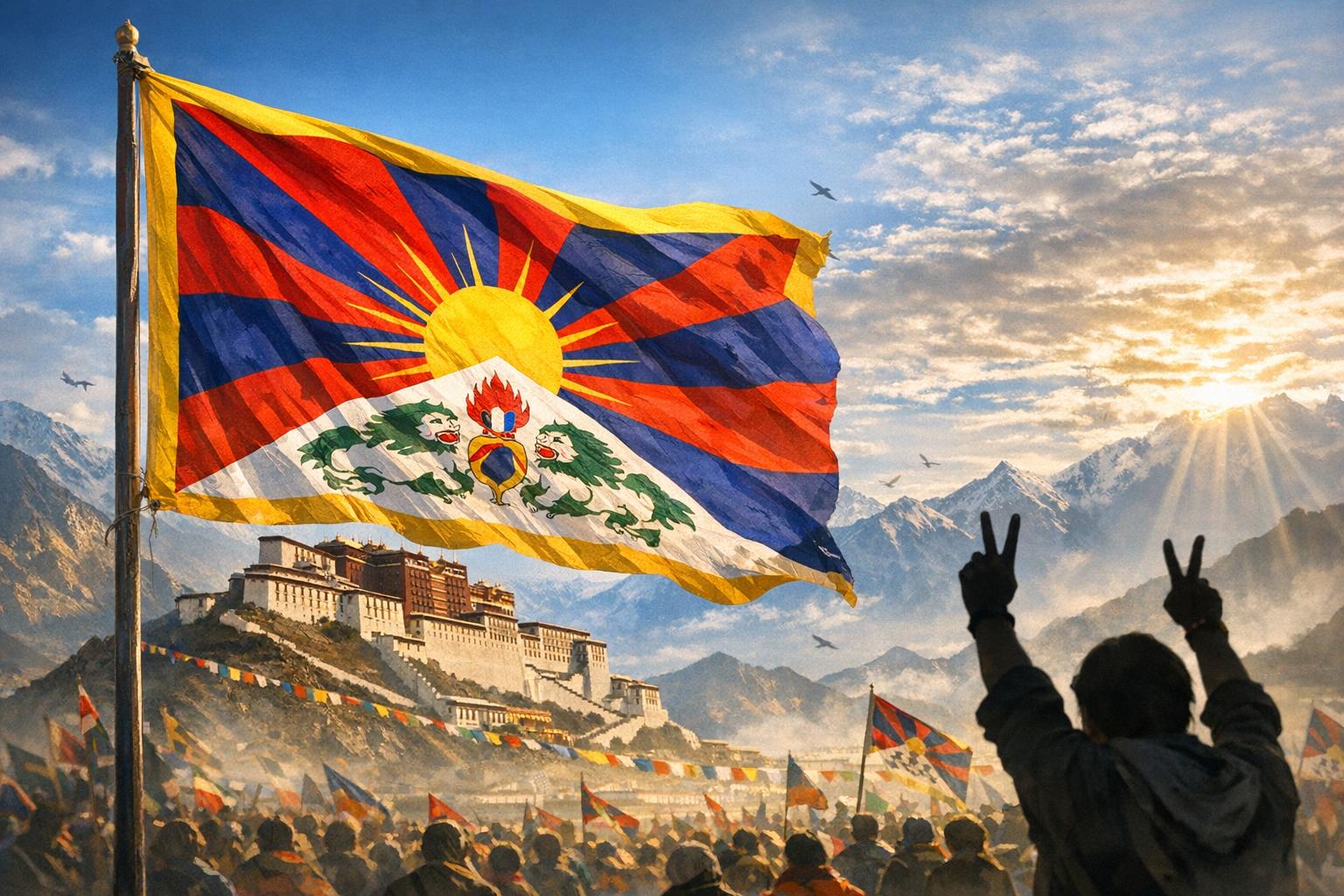
The design reflects both indigenous traditions and influences from neighboring regions. At its center is a prominent mountain, typically interpreted as representing the Tibetan plateau, sometimes called the “Roof of the World.” Flanking the mountain are two snow lions, mythological creatures found in Tibetan folklore, symbolizing strength and dignity. Above them, a rising sun radiates alternating red and blue rays, creating a structured and balanced composition. Each visual component was deliberately selected to communicate philosophical and cultural values associated with Tibetan society.

Symbolism and Meaning

The Tibetan flag is notable for its layered symbolism, with each element carrying specific meaning rooted in religious, cultural, and social traditions. The rising sun is often interpreted as a symbol of enlightenment, suggesting the spread of wisdom and knowledge across the land. Its rays, alternating in red and blue, are commonly associated with the six original tribes of Tibet, signifying unity among diverse groups.

The white triangular mountain at the center represents Tibet’s geographical identity, characterized by high altitudes and a rugged landscape. It also conveys a sense of purity and isolation, qualities often attributed to traditional Tibetan life. The presence of the two snow lions highlights values such as courage, authority, and moral strength. Positioned facing each other, they appear to uphold a flaming jewel, which is typically interpreted as a symbol of spiritual and material wealth.

Color plays an important role in reinforcing the flag’s meaning. Yellow borders are often associated with the flourishing of Buddhist teachings, a cornerstone of Tibetan cultural life. The combination of red and blue rays may also be interpreted as representing the dynamic interaction between spiritual and temporal authority. Together, these visual elements create a cohesive narrative about balance, harmony, and continuity within Tibetan society.

Political Implications

The Tibetan flag’s significance extends beyond cultural symbolism into the realm of politics. Following the incorporation of Tibet into the People’s Republic of China in the mid-20th century, the flag became associated with resistance movements and calls for greater autonomy or independence. As a result, it has been designated as a prohibited symbol in the Tibetan Autonomous Region and in other areas under Chinese administration.

The Chinese government views the flag as linked to separatist activities, and its public display can lead to legal consequences. This position contrasts with how the flag is perceived by many Tibetans in exile, who regard it as a legitimate representation of their historical governance and identity. The divergence in interpretation underscores broader disagreements درباره sovereignty, cultural preservation, and political legitimacy.

In exile communities, particularly those centered around the Central Tibetan Administration in India, the flag retains an official and ceremonial role. It is displayed during public gatherings, cultural events, and political demonstrations. Its use in these contexts reinforces its status as both a unifying emblem and a statement of political position.

International Recognition

Beyond Tibet and China, the Tibetan flag has gained visibility in international contexts, especially within human rights discussions. It is frequently seen at demonstrations, academic forums, and cultural exhibitions that address issues such as religious freedom, minority rights, and political representation. In these settings, the flag often serves as a visual shorthand for broader concerns about cultural preservation and governance.

Governments and international organizations vary in their responses to the flag. Some maintain a position of neutrality due to diplomatic considerations, while others permit or indirectly support its display as part of free expression. Non-governmental organizations and advocacy groups often use the flag to draw attention to specific issues, including language preservation, environmental concerns on the Tibetan plateau, and restrictions on religious practice.

The flag’s international presence has contributed to sustained awareness of Tibetan issues, particularly among diaspora communities and younger generations. Its recognizable design allows it to function effectively in global media and public discourse, where visual symbols often carry significant communicative power.

Efforts for Preservation

Efforts to preserve the Tibetan flag and its associated meanings are closely tied to broader initiatives aimed at maintaining Tibetan culture. In diaspora communities, the flag is integrated into educational programs, cultural festivals, and religious ceremonies. These activities help transmit knowledge about its symbolism to younger generations who may not have direct experience with Tibet itself.

Digital platforms have also become important tools for preservation. Images, historical discussions, and interpretations of the flag circulate widely online, enabling global audiences to engage with its meaning. However, this visibility can also lead to differing interpretations, as audiences apply their own cultural or political frameworks to the symbol.

Within Tibet, preservation is more complex due to legal restrictions. Cultural expression often takes indirect forms, such as art, literature, or oral traditions, where symbolic references may substitute for overt displays. These adaptations illustrate the flexibility of cultural symbols and their ability to persist even under constraint.

The Tibetan flag continues to occupy a distinctive position at the intersection of culture and politics. It functions as both a historical artifact and a contemporary symbol, reflecting evolving interpretations while maintaining core elements of its original design. Its continued relevance suggests that symbols, when deeply embedded in collective identity, retain their significance even as contexts change.

The enduring presence of the Tibetan flag highlights the role of visual representation in shaping and sustaining cultural narratives. Whether viewed as a political statement, a cultural emblem, or a historical artifact, it remains a central point of reference in discussions about Tibet and its people.

The demographic changes in Tibet due to Chinese migration.

Introduction to Demographic Changes in Tibet

The demographic landscape in Tibet has undergone significant transformations over the past several decades, shaped by a combination of historical developments, state policies, and economic changes. Traditionally, Tibet was overwhelmingly inhabited by ethnic Tibetans, who developed a distinct identity grounded in unique linguistic traditions, religious practices, and cultural norms. For centuries, the region’s geographic isolation helped preserve this demographic consistency.

In more recent history, however, patterns of migration have contributed to a more complex population structure. These shifts are particularly visible in urban centers, where economic development and administrative expansion have altered the composition of local populations. Understanding these changes requires attention not only to migration itself, but also to the broader systems that facilitate and shape it.

Migratory Patterns

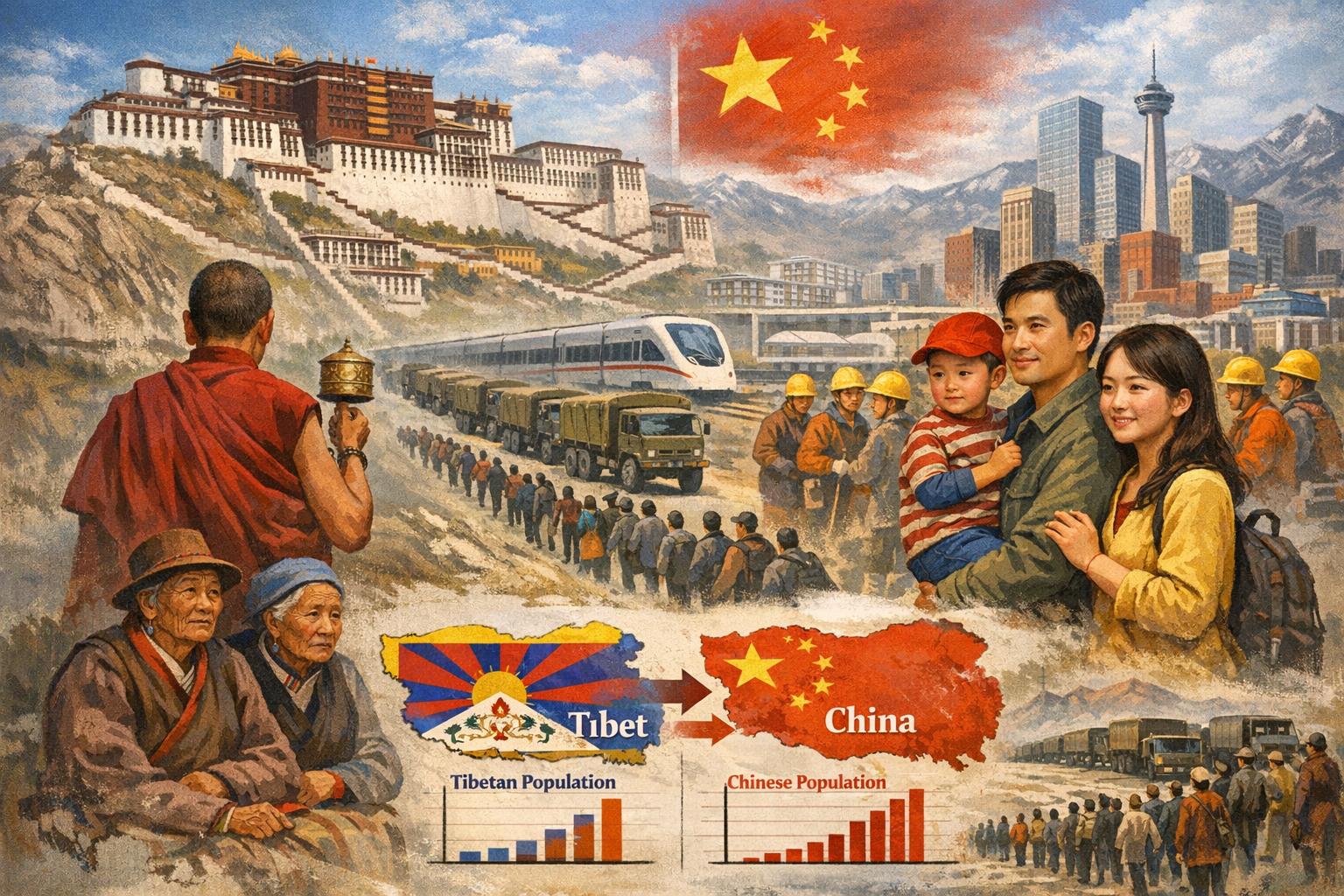
The influx of Han Chinese, the largest ethnic group in China, represents one of the most discussed aspects of demographic change in Tibet. Migration into the region has occurred in different waves since the mid-20th century, influenced by political integration, economic expansion, and evolving infrastructure networks. While early movements were often linked to administrative and military presence, later migration has been increasingly driven by market-oriented factors and employment opportunities.

Migration is not uniform across Tibet. Urban areas such as Lhasa have seen more pronounced demographic diversification, while rural regions remain more heavily Tibetan. This uneven distribution reflects differences in access to infrastructure, economic activity, and state investment. Seasonal and temporary migration also plays a role, particularly in sectors such as construction, tourism, and retail.

Government Policies

State policies have been central in shaping demographic trends. The Chinese government has invested heavily in Tibet’s development, aiming to integrate the region more closely with national economic systems. These efforts include large-scale infrastructure projects such as highways, railways, airports, and urban expansion initiatives. The Qinghai–Tibet Railway, for example, has significantly reduced travel time and transportation costs, facilitating both migration and trade.

In addition to physical infrastructure, policy measures have provided incentives for migration. These may include subsidies, job placements, and support for businesses operating in the region. Administrative restructuring and the expansion of public services have also created positions that attract workers from other provinces. These policies are often presented as part of broader goals of modernization and economic development.

Employment Opportunities

Economic growth in Tibet has generated a range of employment opportunities across different sectors. Construction, public administration, tourism, and commerce have expanded in response to increased investment and infrastructure development. These sectors often rely on labor from outside the region, particularly for skilled or technical roles.

Migration is not limited to large-scale enterprises. Small businesses, retail operations, and service industries also attract migrants seeking new markets and economic prospects. In urban areas, this has led to a diversification of economic activity, with new types of goods and services becoming available. For many migrants, Tibet represents a place where emerging markets offer opportunities that may be less accessible in more competitive regions of China.

At the same time, employment patterns can vary significantly between migrant and local populations. Differences in education, language proficiency, and access to networks may influence job distribution and income levels. These variations contribute to ongoing discussions about economic inclusion and opportunity.

Effects on Local Demographics

The increasing presence of non-Tibetan populations has reshaped the demographic profile of many parts of Tibet, particularly in cities. Urban centers now display a more diverse mix of ethnic groups, languages, and cultural practices. This diversification affects not only population statistics but also everyday interactions, institutional structures, and social dynamics.

Population growth in urban areas has been accompanied by changes in housing, public services, and urban planning. New residential developments and commercial districts reflect the needs of a growing and more varied population. These changes can alter traditional patterns of settlement and community organization that were historically characteristic of Tibetan society.

Cultural Impact

Migration has introduced new cultural influences into Tibetan urban life. The increased use of Mandarin Chinese in education, business, and administration reflects broader national trends. In some contexts, this can lead to a reduced presence of the Tibetan language in public and professional settings, particularly among younger generations seeking economic mobility.

Cultural practices are also affected by demographic change. While traditional Tibetan festivals, religious institutions, and customs remain important, their expression may evolve in response to new social environments. The presence of diverse populations can create spaces of cultural exchange, but it can also raise concerns about the preservation of distinct cultural identities.

Observers note that cultural impact is not uniform. Rural areas often maintain stronger continuity with traditional practices, while cities experience more rapid change. The balance between adaptation and preservation continues to be a subject of discussion in academic and policy contexts.

Economic Effects

The economic effects of demographic change are complex and multifaceted. On one hand, migration contributes to economic growth by expanding the labor force, increasing consumption, and supporting the development of new industries. Investment in infrastructure and business has improved connectivity and access to markets, which can benefit the region as a whole.

On the other hand, disparities in economic outcomes can emerge. Questions are sometimes raised about the distribution of wealth, access to employment, and participation in emerging industries. Differences in skills, education, and language proficiency may influence how different groups benefit from economic expansion.

In urban economies, competition for jobs and resources can become more pronounced as populations grow. This can highlight structural inequalities and lead to debates about how development strategies should be designed to ensure broader inclusion. Addressing these concerns requires attention to education, training, and local participation in economic planning.

Social and Urban Transformation

Beyond economics and culture, demographic changes have contributed to broader social transformations. Urbanization has altered patterns of daily life, shifting from traditionally rural and pastoral livelihoods toward more diversified urban occupations. This transition affects family structures, social networks, and community organization.

Public services such as education, healthcare, and transportation have expanded in response to population growth. These developments can improve living standards but also place pressure on existing systems. Managing this balance is an ongoing challenge for regional planners and policymakers.

The interaction between different population groups also shapes social dynamics. In some contexts, increased diversity leads to greater cultural exchange and integration. In others, differences in language, occupation, and background can create social distinctions that influence how communities interact.

Concluding Observations

Understanding demographic changes in Tibet requires a nuanced approach that considers the interaction of government policy, economic opportunity, migration patterns, and cultural dynamics. These factors do not operate independently; rather, they influence each other in ways that shape both short-term developments and long-term trends.

The region’s demographic evolution continues to be monitored and analyzed by researchers, policymakers, and observers. While economic growth and infrastructure development have played a significant role in shaping current conditions, questions about cultural preservation, social equity, and sustainable development remain central to ongoing discussions.

Future changes will likely depend on how policies adapt to emerging challenges and how local and migrant populations navigate an evolving social and economic environment. Continued research and observation are essential for understanding the full implications of these demographic shifts.

The role of education in preserving Tibetan culture.

The Role of Education in Preserving Tibetan Culture

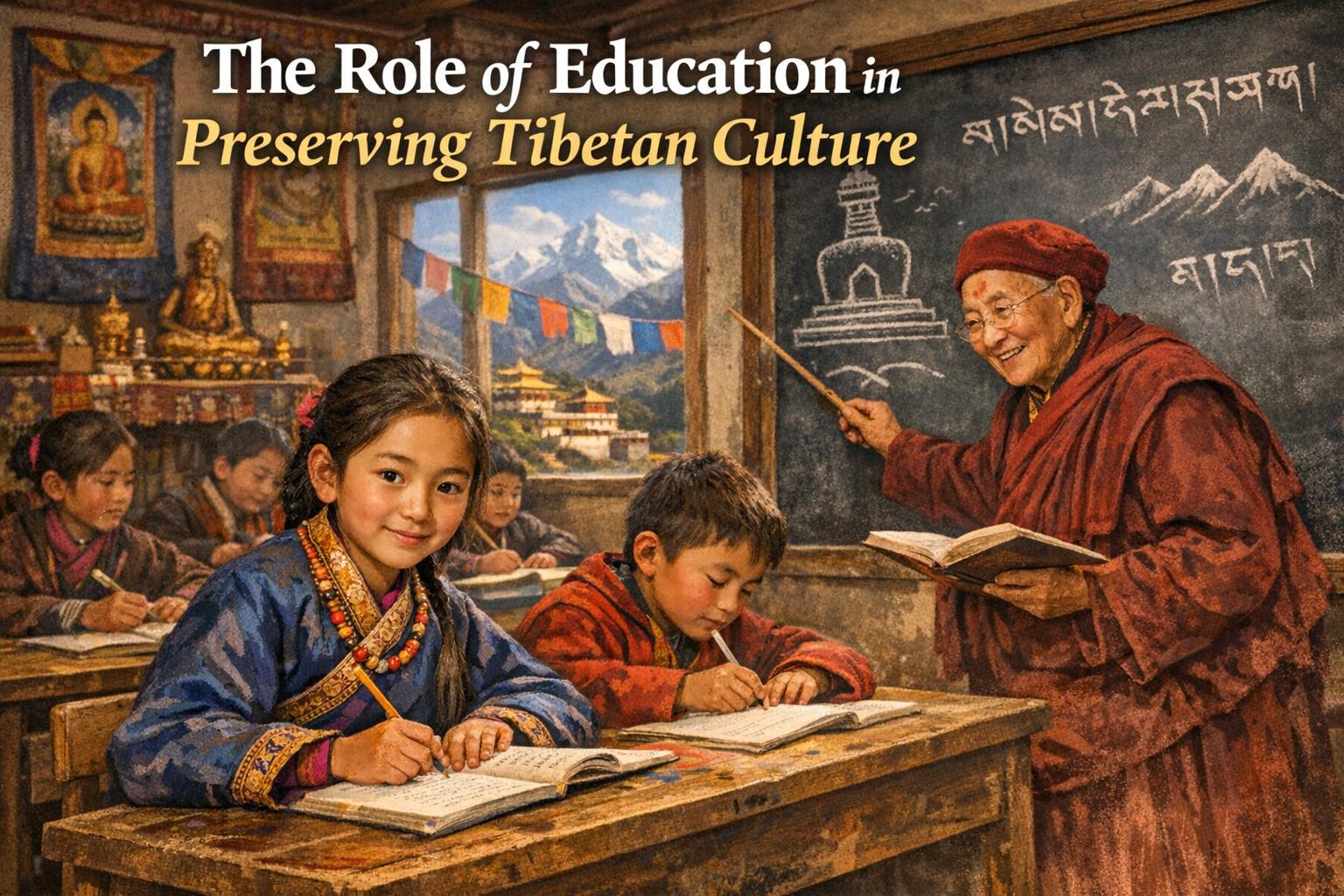
The preservation of Tibetan culture remains a subject of sustained international attention due to its distinctive linguistic systems, philosophical traditions, and artistic expressions. Education functions as one of the most effective mechanisms for maintaining and transmitting this cultural heritage across generations. In societies experiencing rapid political, economic, and technological shifts, structured learning environments provide continuity, enabling cultural knowledge to be taught systematically rather than relying solely on informal transmission. In the Tibetan context, education operates across formal schools, monastic institutions, and community-based initiatives, each contributing to the broader goal of cultural preservation.

Language Education

Language is central to the continuity of Tibetan culture, and its instruction represents a foundational component of educational efforts. The Tibetan language, characterized by its classical literary tradition and regional dialects, serves not only as a medium of communication but also as a repository of philosophical, religious, and historical knowledge. Educational systems that prioritize Tibetan language instruction allow students to access canonical texts, including Buddhist scriptures and historical records, in their original form.

The use of Tibetan as a medium of instruction in early education has particular significance. Research in education suggests that learning in one’s first language improves comprehension and cognitive development. In Tibetan communities, this approach also reinforces cultural identity by embedding cultural references, idiomatic expressions, and traditional narratives within daily learning. At more advanced levels, bilingual or multilingual education—often incorporating Tibetan alongside national or international languages—provides students with broader opportunities while maintaining cultural grounding.

Efforts to standardize orthography and develop modern terminology in Tibetan further support its continued relevance. Educational institutions contribute by producing textbooks, dictionaries, and academic materials that allow the language to function in contemporary contexts such as science, governance, and technology.

Incorporation of Traditional Knowledge

The inclusion of traditional Tibetan knowledge within formal curricula plays a significant role in ensuring cultural continuity. This integration extends beyond superficial references to encompass structured instruction in disciplines that have developed over centuries. Subjects such as Tibetan history, literature, music, and visual arts are taught alongside modern academic fields, creating a balanced educational framework.

One prominent example is Tibetan medicine, known as Sowa Rigpa, which is grounded in holistic principles that link physical health with environmental and spiritual factors. Educational institutions dedicated to this field provide training in diagnosis, pharmacology, and therapeutic techniques, ensuring that these practices remain viable and formally recognized. Similarly, traditional astronomy and astrology, which historically informed agricultural practices and ritual calendars, are preserved through specialized instruction.

Artistic traditions are also maintained through education. Techniques in thangka painting, sculpture, and ritual music are often taught in both formal and apprenticeship-based settings. These forms of artistic expression carry symbolic meanings tied to religious narratives and cultural values. By embedding them within education systems, communities ensure that technical skills are preserved alongside their cultural and spiritual significance.

Monastic Education

Monastic institutions have historically functioned as primary centers of learning in Tibetan society and continue to play a critical role in cultural preservation. These institutions provide rigorous education in Buddhist philosophy, logic, ethics, and classical literature. The pedagogical methods used in monasteries, including debate and memorization, are designed to develop analytical thinking as well as deep familiarity with canonical texts.

Monastic education also contributes to the preservation of ritual practices, performing arts, and ceremonial traditions. Monks and nuns are trained in chanting, musical instrumentation, and the execution of complex rituals that are integral to Tibetan cultural and religious life. These practices often require precise transmission, making structured training essential.

In addition, monasteries serve as custodians of manuscripts and historical documents. Educational programs within these institutions often involve the study and preservation of these materials, including efforts to digitize texts for wider access. This function highlights the dual role of monastic education as both a teaching system and a repository of cultural knowledge.

Role of Government and NGOs

Government bodies and non-governmental organizations contribute significantly to the development and sustainability of educational initiatives that support Tibetan culture. Their involvement often includes funding for schools, curriculum development, and teacher training programs. In regions with Tibetan populations, policies that recognize and incorporate local languages and cultural content into education systems are particularly influential.

NGOs frequently address gaps that government systems may not fully cover. These organizations support community schools, produce educational materials in Tibetan, and provide scholarships for students pursuing studies مرتبط with cultural preservation. Teacher training programs are especially important, as they equip educators with both subject knowledge and culturally responsive teaching methods.

Collaborative efforts between governments, NGOs, and local communities can enhance the effectiveness of these initiatives. For example, partnerships may lead to the development of culturally relevant textbooks or the implementation of pilot programs that integrate traditional knowledge with modern curricula. Such cooperation helps ensure that educational strategies remain adaptable and context-specific.

Challenges and Opportunities

Despite ongoing efforts, several challenges affect the role of education in preserving Tibetan culture. One significant issue is the pressure of linguistic assimilation, particularly in areas where dominant national or global languages are prioritized in education and economic life. This can lead to reduced use of Tibetan among younger generations, especially in urban settings.

Resource limitations also pose challenges. Producing high-quality educational materials in Tibetan, training qualified teachers, and maintaining institutions that focus on traditional knowledge require sustained investment. In some cases, disparities between rural and urban educational access further complicate the situation.

At the same time, new opportunities are emerging through technological advancements. Digital platforms enable the creation and distribution of educational content in Tibetan, including online courses, virtual classrooms, and electronic libraries. These tools extend the reach of cultural education beyond geographical constraints, allowing diaspora communities to maintain connections with their heritage.

The digitization of manuscripts and archival materials is another area of development. By converting physical texts into digital formats, institutions can preserve them while making them more accessible to researchers and students. Additionally, multimedia resources, such as audio recordings of oral traditions and instructional videos on traditional arts, support diverse learning methods.

Global academic interest in Tibetan studies also contributes to preservation efforts. Universities and research centers around the world collaborate with Tibetan scholars, creating opportunities for knowledge exchange and documentation. While external involvement must be managed carefully to ensure cultural accuracy and respect, it can provide valuable resources and visibility.

In conclusion, education serves as a central mechanism in the preservation of Tibetan culture, operating across multiple domains including language, traditional knowledge, and religious practice. Through coordinated efforts involving schools, monasteries, governments, and NGOs, educational systems sustain cultural transmission in the face of ongoing challenges. At the same time, technological innovations and global engagement offer new pathways for maintaining and adapting this cultural heritage in changing contexts.

The decline of traditional Tibetan crafts and arts.

The Current Status of Traditional Tibetan Crafts

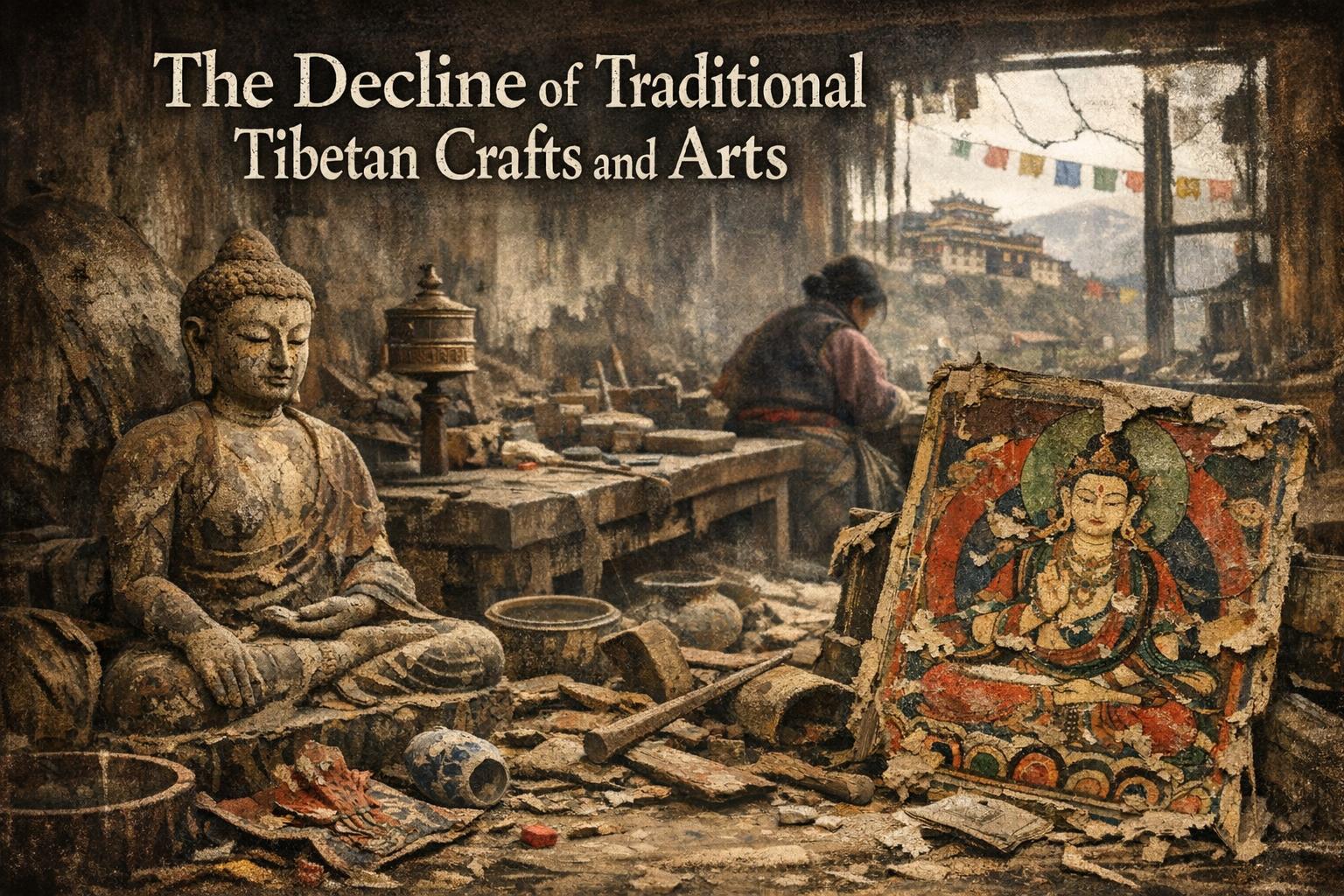
Traditional Tibetan crafts and arts are closely connected to the region’s historical development, religious practices, and social structures. These crafts include thangka painting, wood carving, metal engraving, textile weaving, and clay sculpture, each reflecting established techniques passed through generations. For centuries, these artistic forms were not only decorative but also functional, often serving ritual, architectural, or symbolic purposes within Tibetan communities. In recent decades, however, the continuity of these practices has weakened due to a combination of economic, social, and cultural shifts.

The current status of traditional Tibetan crafts reflects a transitional phase in which preservation efforts coexist with declining participation. While some artisans and institutions continue to produce high-quality works, the number of individuals entering these fields has decreased. This change affects both rural and urban areas, though the pressures differ depending on access to markets, resources, and alternative employment opportunities.

Factors Contributing to the Decline

Several interconnected factors contribute to the reduction in traditional craft production. One of the primary influences is economic restructuring. As regional and national economies have diversified, younger generations increasingly seek occupations that offer higher and more stable income. Traditional crafts, which often require years of apprenticeship and produce uncertain financial returns, are less competitive compared to jobs in urban industries, tourism services, or administrative sectors.

Another factor is changing educational priorities. Formal education systems tend to emphasize standardized curricula, which often leave limited space for traditional artistic training. As a result, craft knowledge that was previously transmitted within families or through community-based apprenticeship systems is no longer consistently passed down. This interruption in intergenerational knowledge transfer has a direct impact on the survival of specialized techniques.

Urbanization has also contributed to the decline. Migration from rural areas to cities alters community structures and reduces the availability of local support networks that once sustained craft production. In urban settings, artisans may face higher costs of living and limited workspace, making it more difficult to maintain traditional methods that depend on specific materials or environments.

Impact of Tourism

Tourism has introduced both opportunities and constraints for Tibetan crafts. On one level, increased visitor numbers have created a market for cultural products, allowing some artisans to generate income through the sale of handmade goods. This demand has helped sustain certain workshops and provided visibility for Tibetan artistic traditions.

However, the structure of tourist demand often prioritizes affordability and speed of production. This has led to the expansion of mass-produced items that imitate traditional designs without adhering to established techniques. For example, thangka paintings that once required months of precise work are now often replicated using faster methods or synthetic materials. While these products are more accessible to tourists, they reduce the market value of authentic craftsmanship.

The shift toward commercialization can also influence artistic standards. Artisans may alter designs, simplify patterns, or substitute materials to meet consumer preferences. Over time, this adaptation can lead to the gradual erosion of technical complexity and symbolic accuracy. In this context, tourism contributes indirectly to the decline of traditional practices by reshaping both production methods and consumer expectations.

Efforts Towards Preservation

Various preservation initiatives have emerged to address these challenges. Government-supported programs and cultural organizations have established training centers where artisans can learn and teach traditional techniques. These institutions often provide structured curricula that cover both technical skills and historical context, aiming to maintain accuracy and continuity.

In addition, exhibitions and craft fairs offer platforms for artisans to display their work to broader audiences. These events can increase public awareness and generate demand for higher-quality products. Some initiatives also focus on geographical indication labeling or certification systems, which help distinguish authentic handmade items from mass-produced alternatives.

Educational programs targeting younger generations play a significant role in preservation strategies. Workshops, apprenticeships, and community-based training sessions introduce students to traditional crafts at an early stage. However, these efforts face limitations, particularly when economic incentives remain insufficient. Without viable income pathways, participation in such programs may not translate into long-term professional engagement.

Another challenge lies in resource availability. Traditional crafts often depend on specific natural materials such as mineral pigments, locally sourced metals, or particular types of wood and wool. Environmental changes and supply constraints can make these materials more difficult to obtain, further complicating preservation efforts.

The Role of Technology

Technology has introduced new dynamics into the production and distribution of Tibetan crafts. On one hand, digital tools enable artisans to access wider markets through online platforms. This development allows for direct sales to international buyers, reducing reliance on intermediaries and potentially increasing revenue. Social media and digital galleries also provide opportunities for artists to showcase their work and communicate the cultural significance behind it.

Technological tools can also assist in documentation. High-resolution imaging, video tutorials, and digital archives help preserve knowledge that might otherwise be lost. These resources can support both formal education programs and independent learners interested in traditional techniques.

On the other hand, technology contributes to the broader cultural shift away from manual craftsmanship. Digital entertainment, online commerce, and automated production methods compete for attention and resources. Younger individuals, in particular, may be more inclined to pursue technology-related skills that align with contemporary labor markets.

There is also the issue of replication. Advanced manufacturing technologies can reproduce traditional designs with high precision, often at lower cost. While this increases accessibility, it raises questions about authenticity and the value of handcrafted work. The challenge lies in integrating technology in a way that supports artisans without replacing the distinct qualities of traditional methods.

The current condition of traditional Tibetan crafts reflects a balance between continuity and change. While the pressures of modernization, tourism, and economic transformation have reduced participation in these practices, ongoing preservation efforts continue to support their survival. The future of these crafts depends on the ability to align cultural preservation with sustainable economic models, ensuring that artisans can maintain their skills within a changing social and technological environment.

The impact of Chinese infrastructure projects in Tibet.

Introduction

Chinese infrastructure projects in Tibet have attracted sustained attention due to their scale, strategic importance, and long-term implications. These efforts include the expansion of transportation networks, energy systems, urban construction, and digital infrastructure. The overarching objective is to integrate Tibet more closely with national development frameworks while addressing regional disparities. At the same time, these initiatives intersect with complex geographic, cultural, and environmental conditions that shape their outcomes. This article examines the economic, social, and environmental dimensions of these projects, focusing on both their intended benefits and associated challenges.

Economic Impact

The Chinese government has allocated substantial funding to infrastructure development in the Tibet Autonomous Region, aiming to stimulate economic growth and enhance regional connectivity. Investment has concentrated on large-scale transportation corridors, energy generation facilities, and urban expansion. These developments are designed to reduce logistical constraints that historically limited Tibet’s economic participation due to its high-altitude terrain and relative isolation.

Improved infrastructure has facilitated the movement of goods and people, which supports trade and tourism. Local industries, including agriculture, handicrafts, and services, have gained increased access to broader markets. Tourism, in particular, has expanded significantly, with domestic visitors forming the majority. This has created revenue streams for local businesses, although it has also introduced new pressures on infrastructure and cultural sites.

Despite these gains, economic benefits are not uniformly distributed. Urban centers such as Lhasa tend to experience stronger growth compared to rural and pastoral areas. This uneven distribution highlights the importance of complementary policies that ensure broader participation in economic opportunities, particularly for communities in remote regions.

Transportation Infrastructure

Transportation development has been a central feature of infrastructure expansion in Tibet. The Qinghai-Tibet Railway remains one of the most significant projects, representing a major engineering achievement due to the region’s altitude and environmental conditions. The railway has reduced travel time, lowered transportation costs, and increased the volume of goods transported into and out of the region.

In addition to the main railway line, extensions and feeder routes have expanded connectivity to other areas within Tibet. Road networks, including highways linking Tibet with neighboring provinces, have further strengthened internal and external access. These developments have improved supply chains, making essential goods more readily available and stabilizing prices in some areas.

Air transport has also seen expansion, with upgrades to existing airports and the construction of new facilities. This has enhanced accessibility for both residents and visitors, although air travel remains relatively costly compared to other modes of transportation.

Energy Projects

Energy infrastructure plays a key role in supporting economic activities and improving living standards. Hydropower has been a primary focus due to Tibet’s abundant नदी systems and elevation gradients. Hydroelectric stations provide electricity to urban centers and increasingly to rural communities, contributing to electrification efforts.

In addition to hydropower, there has been growing investment in renewable energy sources such as solar and wind. These technologies are particularly relevant for remote areas where grid extension is difficult. Distributed energy systems help reduce reliance on fossil fuels and provide more stable access to electricity for households and small enterprises.

However, energy development also raises technical and environmental considerations. Large-scale hydropower projects require careful management of water resources and potential downstream effects. Balancing energy needs with environmental protection remains an ongoing challenge.

Social Impact

Infrastructure expansion has influenced social conditions in multiple ways, particularly in relation to access to services and mobility. Improved roads and transport systems have reduced travel times to urban centers, allowing more consistent access to healthcare, education, and administrative services. These changes have altered daily life for many residents, especially those in previously isolated areas.

At the same time, increased connectivity has contributed to demographic and cultural shifts. Migration into urban areas has increased, and interactions between different communities have intensified. While this can promote economic integration, it may also affect traditional ways of life, particularly among pastoral and rural populations.

Healthcare

Healthcare infrastructure has expanded through the construction of hospitals, clinics, and mobile medical units. Improved transportation networks enable patients to seek treatment more efficiently and allow medical personnel to reach remote communities. Investments have also been made in medical equipment and training programs for healthcare workers.

Public health outcomes have improved in several areas, including maternal and child health indicators. Vaccination programs and preventive care initiatives have become more accessible due to better infrastructure. However, disparities in service quality between urban and rural areas remain a concern, as specialized care is often concentrated in larger cities.

Education

Educational access has benefited from infrastructure development, particularly through improved transportation and school construction. Students in remote areas are now more able to attend schools regularly, and boarding facilities have been established in some locations to accommodate those living far from educational institutions.

Digital infrastructure has also begun to play a role in education. Internet connectivity enables access to online learning resources and supports teacher training. These developments contribute to rising literacy rates and expanded educational attainment.

Nonetheless, challenges persist in maintaining consistent educational quality across regions. Differences in resources, staffing, and language of instruction can affect learning outcomes. Continued investment in both physical and institutional capacity is necessary to address these gaps.

Environmental Impact

Tibet’s environment is characterized by high-altitude ecosystems that are particularly sensitive to disturbance. Large-scale infrastructure projects introduce risks related to habitat disruption, resource use, and long-term ecological change. These concerns are central to discussions about sustainable development in the region.

Construction activities can lead to soil erosion, fragmentation of habitats, and changes in water systems. Wildlife species adapted to specific environmental conditions may be affected by increased human activity and infrastructure expansion. These impacts require careful planning and mitigation strategies, including environmental assessments and monitoring systems.

Ecosystem Changes

Infrastructure development has the potential to alter natural landscapes significantly. Road and railway construction can divide habitats, affecting migration patterns and biodiversity. Hydropower projects may influence river flow and aquatic ecosystems, with possible downstream consequences.

Efforts have been made to incorporate environmental protections into project design. These include wildlife corridors, restrictions on construction in sensitive areas, and reforestation initiatives. However, the effectiveness of these measures depends on consistent enforcement and long-term monitoring.

Climate change adds an additional layer of complexity. Tibet’s glaciers and permafrost regions are already experiencing shifts due to rising temperatures. Infrastructure built on permafrost requires specialized engineering techniques to maintain stability, and environmental changes may affect the durability of these structures over time.

Conclusion

Infrastructure development in Tibet represents a multifaceted process with significant economic, social, and environmental implications. Enhanced connectivity and investment have supported economic growth, improved access to essential services, and increased integration with broader national systems. At the same time, uneven development patterns and environmental sensitivities highlight the need for careful planning and policy coordination.

Future projects will likely continue to focus on balancing growth with sustainability. This includes refining infrastructure design, expanding renewable energy use, and ensuring that local communities benefit from development initiatives. The long-term outcomes will depend on how effectively economic objectives are aligned with environmental protection and social considerations.

The role of the Dalai Lama as a global peace advocate.

The Dalai Lama’s Influence as a Global Peace Advocate

The Dalai Lama, the spiritual leader of Tibetan Buddhism, has long been recognized as a central figure in advocating for global peace. Known for his teachings of non-violence, compassion, and understanding, he continues to influence discussions on conflict resolution, ethics, and human responsibility across cultural and political boundaries. His role extends beyond religious leadership, positioning him as a global public intellectual whose ideas are engaged in academic, political, and civil society contexts.

Background and Philosophy

The current Dalai Lama, Tenzin Gyatso, assumed the role in 1940 at a young age and later became both a spiritual and temporal leader of Tibet. Following the political upheaval in Tibet and his departure into exile in 1959, his platform broadened significantly, allowing him to address global audiences on issues related to peace and human values.

His philosophical outlook draws on traditional Buddhist teachings while engaging with modern concerns. Central to his approach is the concept of Gandhian non-violence, which prioritizes peaceful resistance and moral persuasion over confrontation. He often frames this philosophy in practical terms, arguing that conflicts rooted in misunderstanding or inequality can be addressed through sustained dialogue and mutual recognition of shared human interests.

The Dalai Lama also promotes the idea that ethical behavior does not require adherence to a specific religion. He frequently emphasizes secular ethics, suggesting that principles like compassion, patience, and tolerance can be cultivated independently of formal religious belief. This inclusive framing has allowed his message to resonate with diverse audiences, including policymakers, scientists, educators, and secular organizations.

Advocacy Efforts

The Dalai Lama’s advocacy for peace encompasses a wide range of activities, from public speeches and international conferences to written works and private dialogues. His publications explore themes such as the relationship between mental well-being and social stability, arguing that inner states of mind influence larger societal conditions.

A consistent element of his advocacy is the emphasis on individual responsibility. He argues that sustainable peace depends not only on institutional frameworks but also on the behavior and attitudes of individuals. In this context, he promotes mental discipline and ethical awareness as foundational elements for peaceful coexistence. These ideas are often presented alongside scientific research, particularly in the fields of psychology and neuroscience, where he has participated in ongoing dialogues with researchers through initiatives such as the Mind and Life Institute.

In global forums, the Dalai Lama frequently introduces the concept of universal responsibility. This principle asserts that individuals and nations alike have an obligation to consider the broader impact of their actions, particularly in an increasingly interconnected world. Issues such as climate change, economic inequality, and conflict are framed not as isolated problems but as shared challenges requiring cooperative responses.

Recognition and Global Impact

The Dalai Lama’s influence as a peace advocate has been acknowledged through numerous international awards and honors. The most prominent of these is the Nobel Peace Prize, awarded in 1989. The Nobel Committee highlighted his consistent opposition to violence and his efforts to seek peaceful solutions to political struggles, particularly in relation to Tibet.

Beyond formal recognition, his impact is evident in the continued relevance of his ideas in global discourse. His writings are widely translated and studied, and his public appearances often attract audiences that span multiple disciplines and sectors. Educational institutions frequently incorporate his perspectives into curricula on ethics, conflict resolution, and global studies.

His contributions also extend to humanitarian and environmental discussions. The Dalai Lama has spoken about the ethical dimensions of environmental stewardship, emphasizing the link between human activity and ecological balance. In this context, peace is framed not solely as the absence of armed conflict but as the presence of stable, just, and sustainable systems.

Educational and Collaborative Initiatives

Education plays a central role in the Dalai Lama’s approach to promoting peace. He has supported the development of programs that integrate emotional awareness, ethical reasoning, and critical thinking into formal education systems. These efforts aim to equip individuals with the skills needed to navigate complex social environments while maintaining constructive and cooperative relationships.

Collaborative engagement is another key aspect of his work. He has participated in interfaith dialogues with leaders from various religious traditions, emphasizing common ethical principles rather than doctrinal differences. These interactions aim to reduce tension between communities and promote mutual understanding.

In addition, his engagement with scientific communities has contributed to interdisciplinary research on topics such as compassion, mindfulness, and cognitive processes. By encouraging collaboration between scientific and philosophical traditions, he has helped create platforms where ideas can be examined through multiple perspectives.

The Dalai Lama also supports initiatives that target younger generations, recognizing that long-term change depends on early education and consistent reinforcement of ethical values. Through lectures at universities, workshops, and public discussions, he continues to address emerging global challenges while maintaining a consistent focus on non-violence and dialogue.

Overall, the Dalai Lama’s influence as a global peace advocate is shaped by a combination of philosophical clarity, practical engagement, and sustained outreach. His work demonstrates how ethical principles can be translated into actionable frameworks for addressing both personal and collective challenges.

The relationship between China and India regarding Tibet.

Historical Context

The relationship between China and India in relation to Tibet has developed over centuries and reflects a layered interaction of geography, culture, religion, and state formation. Tibet has historically functioned as a high-altitude buffer zone between the Indian subcontinent and the Chinese heartland. Its position along critical trans-Himalayan routes enabled exchanges in trade, monastic scholarship, and diplomatic contact. Indian religious traditions, particularly Buddhism, flowed into Tibet beginning in the first millennium, shaping Tibetan intellectual and spiritual life. In parallel, successive Chinese dynasties maintained varying degrees of influence over Tibetan political affairs, ranging from symbolic suzerainty to more direct involvement.

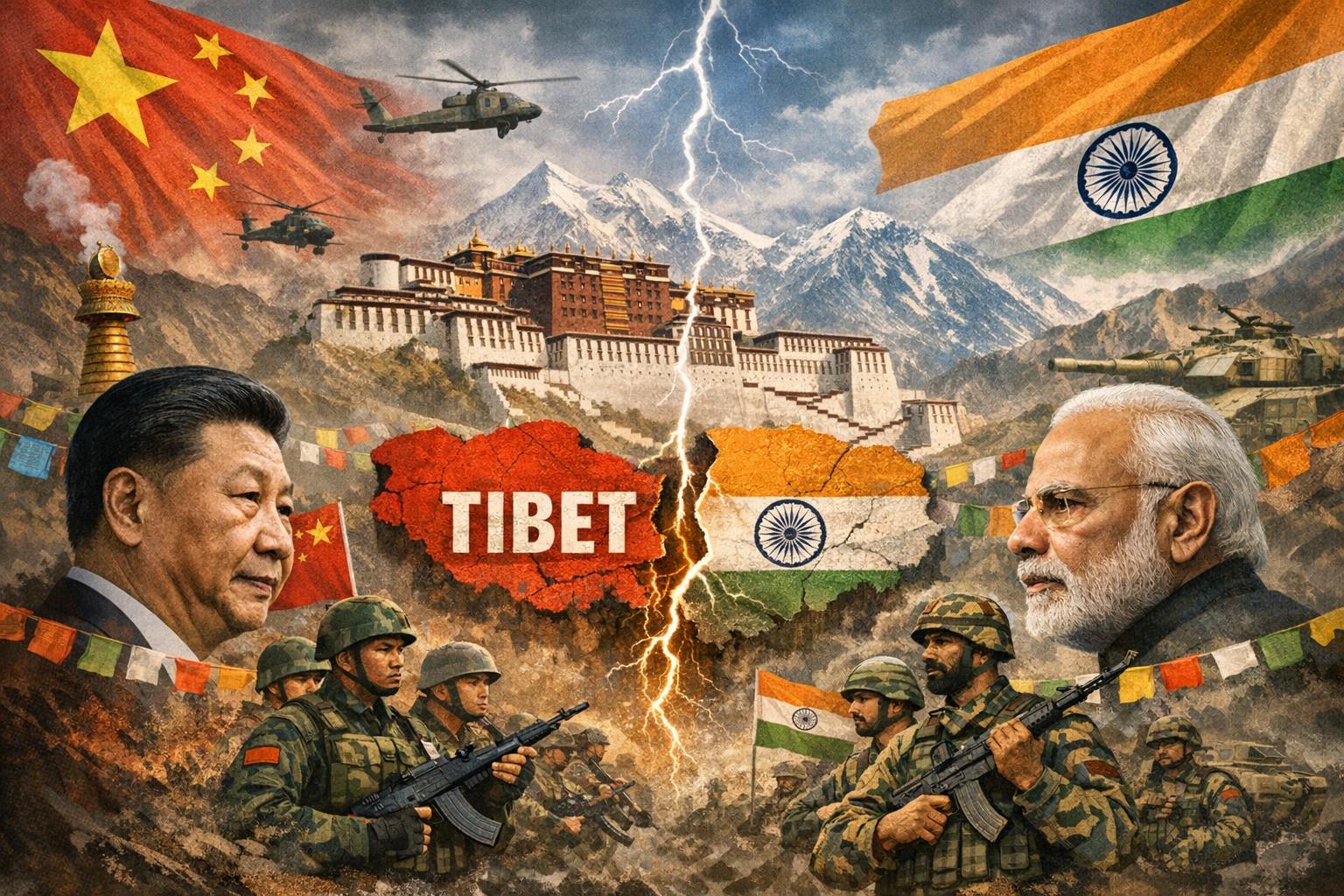
During the colonial era, British India engaged Tibet as part of its frontier policy, seeking to secure northern boundaries and limit rival influence. Agreements such as the early twentieth-century conventions attempted to clarify Tibet’s status, though ambiguity persisted regarding sovereignty and autonomy. When India gained independence in 1947 and the People’s Republic of China was established in 1949, both states inherited unresolved questions regarding Tibet’s political position and the alignment of Himalayan borders. These uncertainties laid the groundwork for future disagreements, particularly as both countries moved to consolidate territorial control.

1950s to 1962: An Era of Tension

In 1950, the entry of the People’s Liberation Army into Tibet marked a decisive shift in regional geopolitics. China asserted its authority over the region, and Tibet was formally incorporated into the administrative structure of the People’s Republic of China. For India, this development transformed what had been a relatively distant frontier into a direct boundary with a powerful neighbor. The absence of mutually agreed border demarcations became increasingly significant as both governments began to define and administer frontier areas more actively.

India initially pursued a policy of accommodation, emphasizing diplomatic engagement with China and acknowledging its control over Tibet. However, differences in interpretation of historical boundaries, particularly in the western sector (Aksai Chin) and eastern sector (then known as the North-East Frontier Agency), gradually surfaced. These disputes were compounded by infrastructure developments, including Chinese road construction through contested areas, which heightened Indian security concerns.

The situation intensified in 1959 when a major uprising occurred in Lhasa against Chinese administration. The subsequent flight of the 14th Dalai Lama into India marked a turning point. India’s decision to grant asylum was based on humanitarian and historical considerations but was perceived by China as interference in its internal affairs. This event deepened mistrust and shifted bilateral relations toward confrontation.

Between 1959 and 1962, both countries increased their military presence along contested border areas, adopting forward policies that brought forces into close proximity. Diplomatic efforts failed to resolve underlying disagreements, and in October 1962, open conflict broke out. The Sino-Indian War, though relatively brief, had lasting consequences. China achieved significant territorial gains in some sectors, while a unilateral ceasefire left the border unresolved. The war fundamentally altered perceptions on both sides and established a long period of strategic caution.

Post-1962 Developments

Following the conflict, China and India entered a phase characterized by limited engagement and mutual suspicion. Diplomatic relations were scaled back, and meaningful dialogue on boundary issues was delayed for years. Tibet remained an implicit factor in these dynamics, not only because of geography but due to the continued presence of the Tibetan leadership in exile within India.

From the late 1970s onward, both countries began gradual efforts to normalize relations. High-level visits resumed, and mechanisms were established to manage border tensions. Agreements in the 1990s and early 2000s aimed to maintain peace along the Line of Actual Control, even though the line itself was not formally delineated. These arrangements focused on confidence-building measures, including restrictions on troop deployments and protocols for handling encounters between patrols.

Despite these efforts, the underlying dispute remained unresolved. The border question is closely linked to Tibet because historical claims and administrative boundaries often reference periods when Tibet exercised varying degrees of autonomy. China’s position is tied to its assertion of continuous sovereignty over Tibet, while India’s claims are influenced by colonial-era agreements and its own administrative practices.

The Tibetan government-in-exile, headquartered in Dharamshala, continues to be a sensitive issue in bilateral relations. India officially recognizes Tibet as part of China but allows Tibetan refugees to live and organize within its territory. This dual approach reflects an attempt to balance diplomatic commitments with domestic and humanitarian considerations. China, however, views any political activities by exiled Tibetan groups as a challenge to its authority.

Modern Implications

In recent decades, China and India have both emerged as major economic and political actors, leading to a relationship that combines cooperation with strategic rivalry. Trade between the two countries has expanded significantly, yet border tensions periodically resurface, indicating that underlying issues remain unsettled. Incidents along the Line of Actual Control, including standoffs and localized confrontations, demonstrate the persistent fragility of the situation.

Tibet continues to influence these dynamics in several ways. First, its geographic position makes it central to military infrastructure and border management. Both sides have invested in roads, airfields, and logistics networks in adjacent regions, which affects the strategic balance. Second, water resources originating from the Tibetan plateau are increasingly important, as major rivers flow from this area into both countries. Control over these headwaters introduces additional considerations related to environmental management and long-term resource planning.

Another dimension involves succession and leadership within Tibetan Buddhism, particularly concerning the role of the Dalai Lama. The question of future recognition has potential diplomatic implications, as China and Tibetan exile institutions may adopt different approaches. India’s position in such a scenario will be closely observed, given its hosting of the Tibetan community and its broader relationship with China.

At the same time, both countries have shown interest in maintaining overall stability. Mechanisms for military dialogue, diplomatic consultations, and crisis management have evolved, reflecting a shared interest in preventing escalation. However, these mechanisms operate within a context where trust is limited and historical grievances remain relevant.

Conclusion

The interaction between China and India over Tibet reflects a convergence of historical legacies and contemporary strategic calculations. Tibet’s role as a geographic buffer, a cultural crossroads, and a politically contested region has ensured that it remains central to bilateral relations. Developments in the 1950s and the conflict of 1962 established patterns that continue to shape policy choices and perceptions.

Although both countries have taken steps to manage tensions and expand cooperation, structural issues tied to territory, sovereignty, and historical interpretation persist. Tibet remains an underlying factor in these issues, influencing border negotiations, diplomatic sensitivities, and regional security considerations. The ongoing challenge lies in balancing national interests with mechanisms that reduce the risk of conflict, while acknowledging the enduring influence of historical developments on present-day relations.