The Portrayal of Tibet in Chinese Media
Tibet occupies a distinct and complex position in Chinese media narratives, reflecting a combination of government policy, cultural perspectives, and regional development goals. As Tibet is designated an autonomous region within China, its representation is closely aligned with broader state priorities, including national unity, territorial integrity, and socio-economic progress. Media portrayals are not only descriptive but also serve a communicative function, shaping public understanding within China and influencing international perceptions.
Chinese media operates within a structured environment where state guidance plays a significant role in determining the boundaries and tone of coverage. As a result, reporting on Tibet tends to follow consistent thematic patterns, emphasizing stability, development, and cultural continuity. These narratives are often presented through news reports, documentaries, and feature stories that integrate historical interpretation with contemporary developments.
Historical Context and Sovereignty
In Chinese media discourse, Tibet is consistently framed as an integral part of China, with emphasis placed on historical continuity. Narratives frequently reference imperial-era relationships, administrative arrangements, and documented interactions between central Chinese authorities and Tibetan leaders. These accounts are intended to establish a longstanding connection that reinforces present-day sovereignty.
Historical events such as agreements between Tibetan authorities and Chinese governments are portrayed as formal affirmations of unity rather than contested political transitions. Media coverage often avoids extended discussion of alternative interpretations, instead presenting a linear narrative of integration. By grounding modern governance in historical precedent, these portrayals aim to legitimize current administrative structures.
Another aspect of historical framing involves the depiction of pre-modern Tibet. Reports sometimes contrast earlier social systems with contemporary governance, presenting modernization as a transition from less developed conditions to current stability. This framing supports a broader narrative that links political authority with social and economic progress.
Cultural Heritage and Preservation
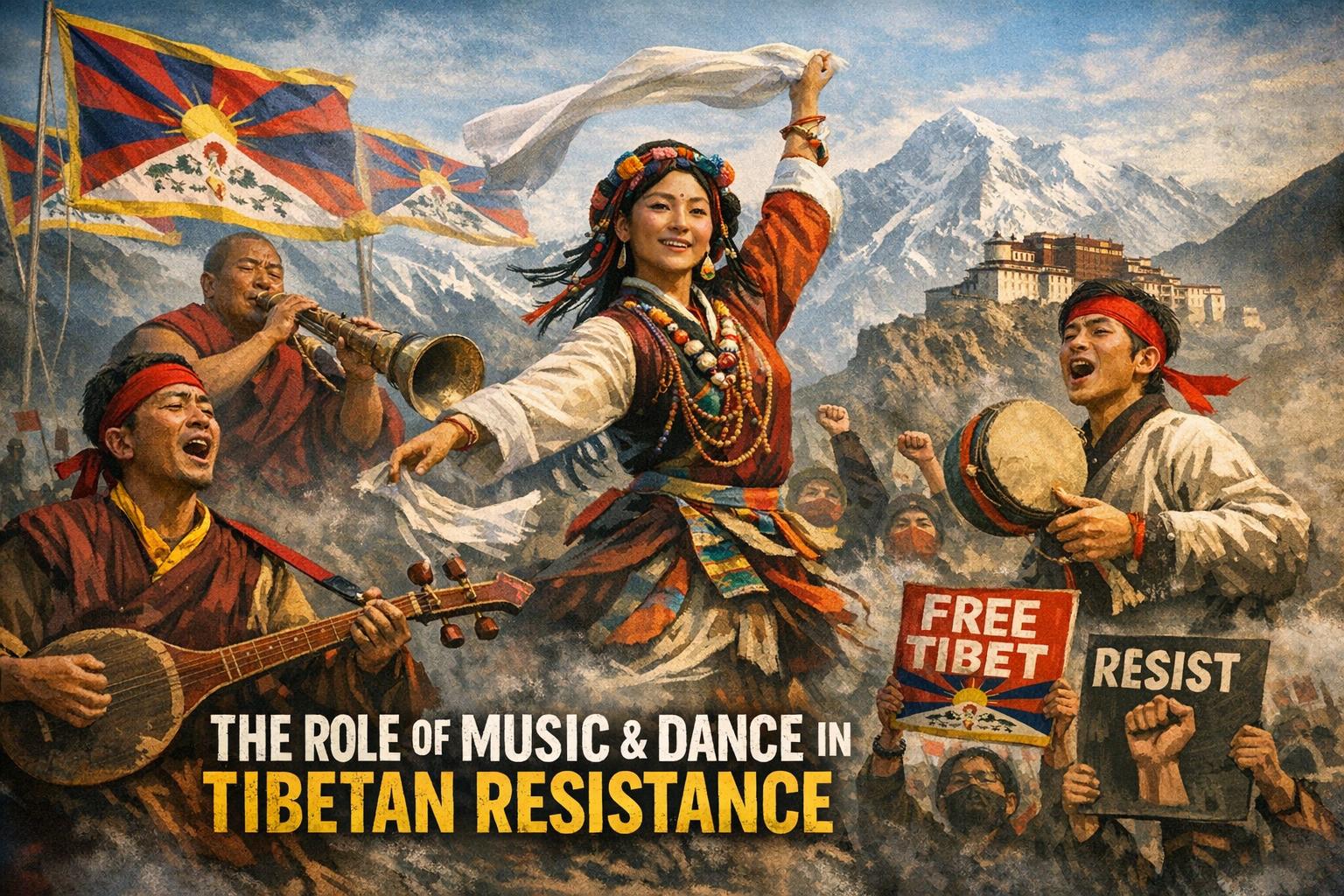
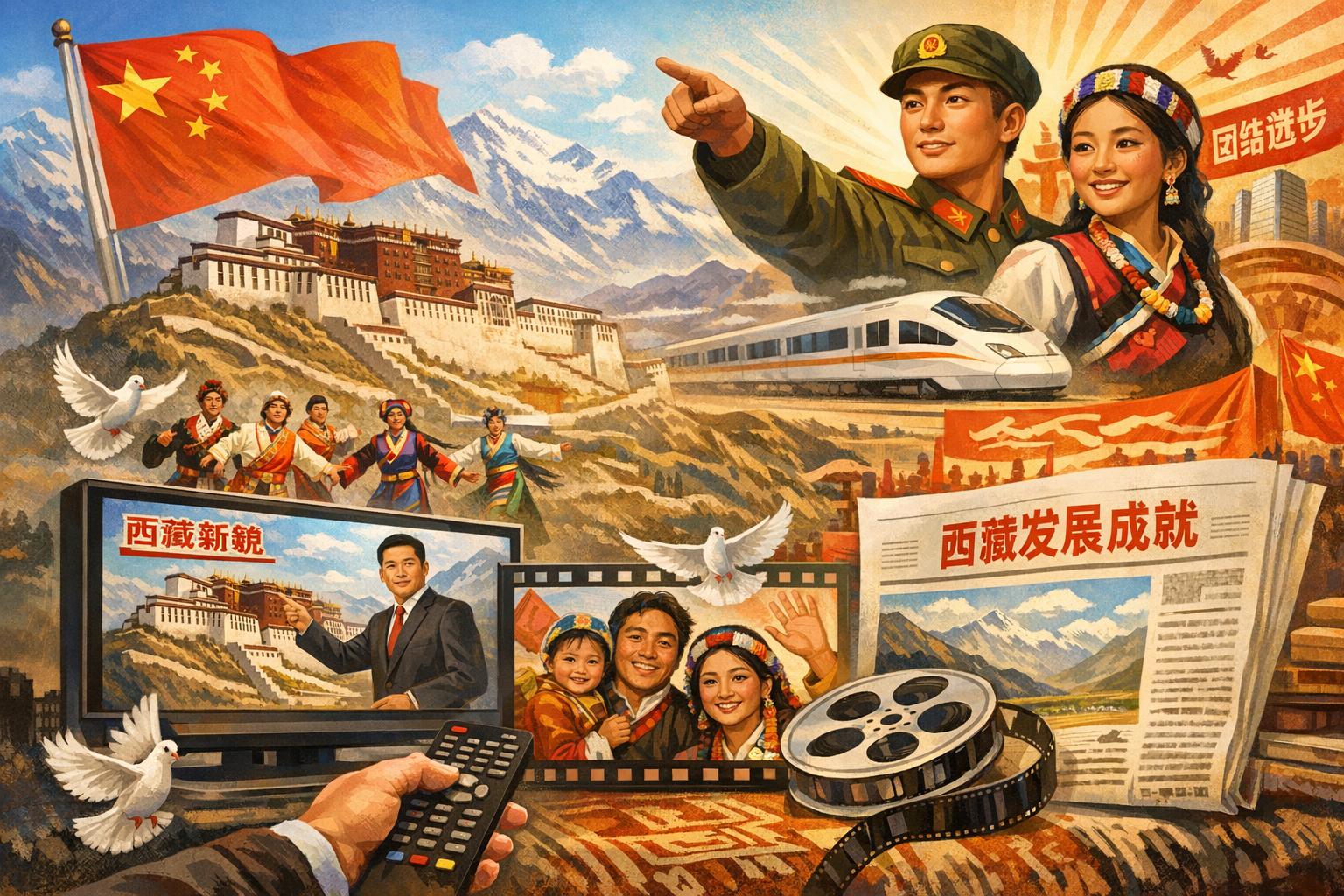
Chinese media devotes considerable attention to Tibetan cultural heritage, presenting it as both distinctive and protected. Coverage frequently includes visual and descriptive accounts of religious ceremonies, traditional festivals, and artistic practices. Common depictions include colorful festivals, traditional music, and intricate handicrafts, emphasizing the respect and value placed on Tibetan culture. These portrayals often highlight continuity, suggesting that cultural traditions remain active and visible in everyday life.
Government initiatives related to cultural preservation are a recurring theme. Media reports detail funding for monasteries, restoration of historical sites, and documentation of intangible heritage. Tibetan Buddhism, in particular, is presented within an institutional framework that emphasizes regulation alongside preservation. Coverage typically underscores the idea that religious practice is supported within established guidelines.
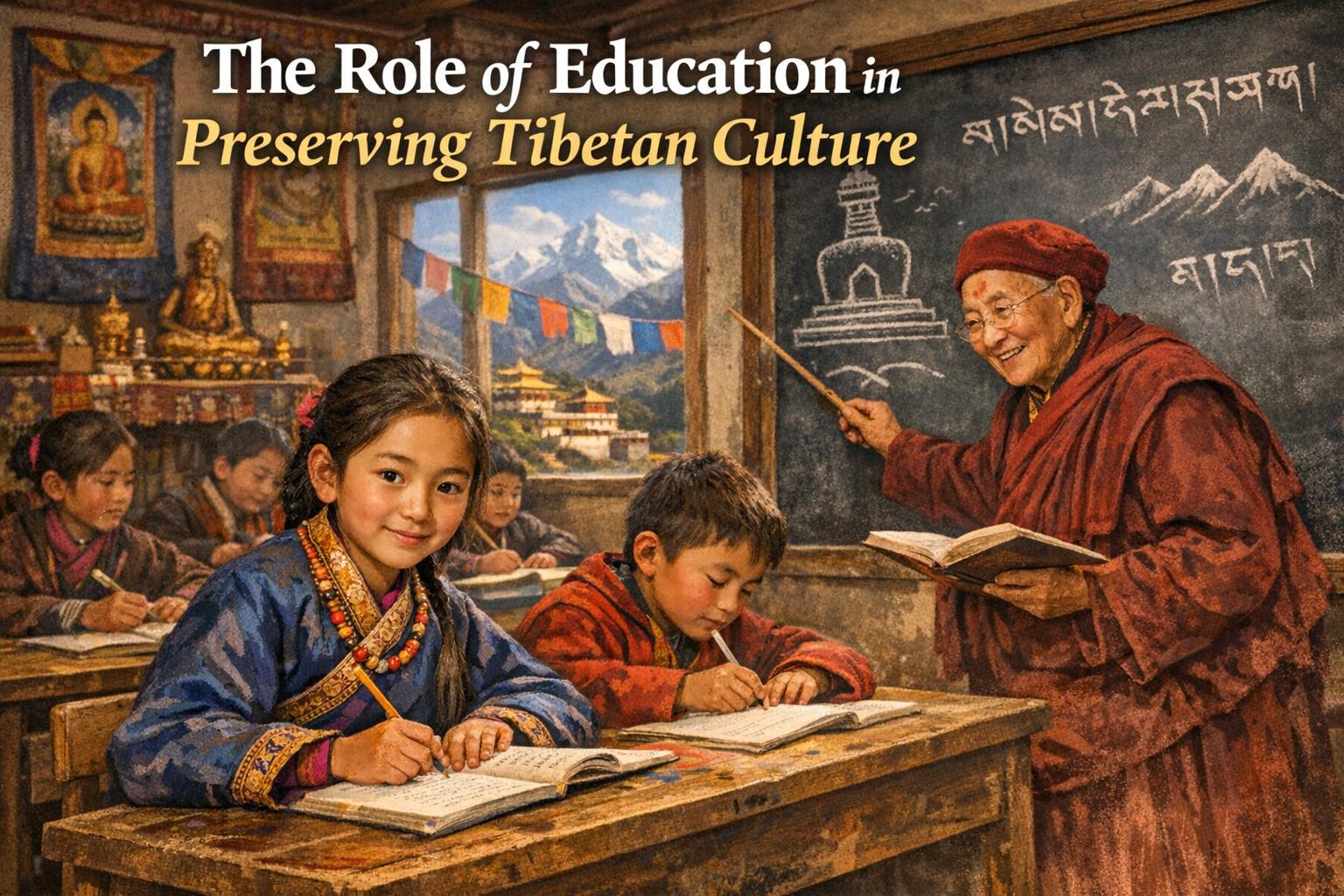
Language and education policies are also occasionally featured, especially in stories discussing bilingual education and cultural transmission. These narratives present cultural preservation as compatible with modernization, suggesting that economic development does not necessarily lead to cultural erosion. However, discussion remains focused on state-supported efforts rather than independent cultural dynamics.
Economic Development
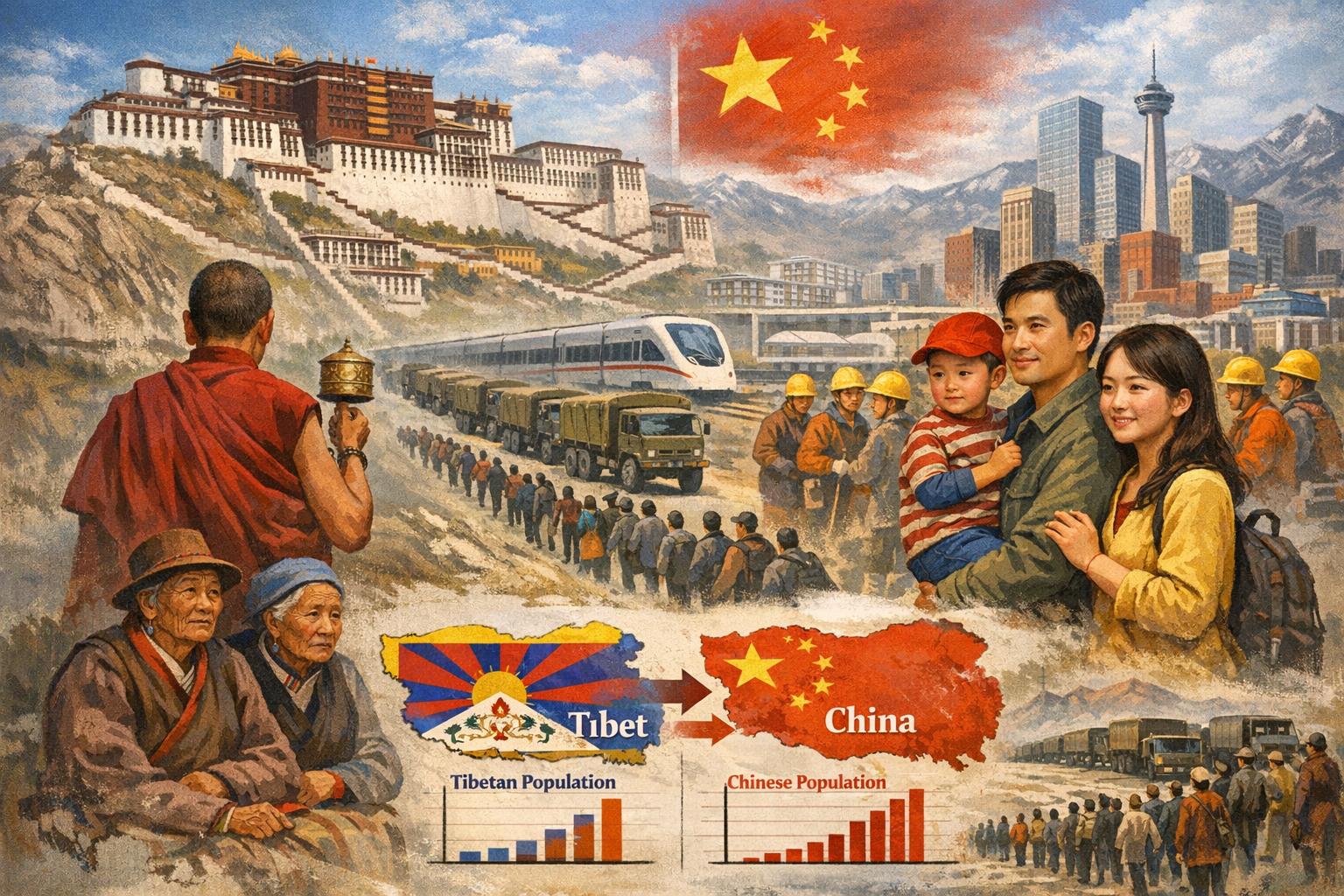
Economic development is one of the most prominent themes in Chinese media coverage of Tibet. Reports frequently highlight infrastructure expansion, including transportation networks such as highways and railways, as well as energy and telecommunications projects. These developments are presented as essential for integrating Tibet more closely with other regions and improving accessibility.
Media narratives often include statistical indicators such as income growth, poverty reduction rates, and increased access to public services. Stories may feature individual accounts of improved living conditions, illustrating broader trends through specific examples. Education and healthcare advancements are commonly emphasized, with reports describing new schools, hospitals, and social services.
Urbanization is another recurring topic, particularly in discussions of regional centers such as Lhasa. Coverage may describe changes in housing, employment opportunities, and business activity, presenting these developments as evidence of modernization. At the same time, rural development programs are highlighted to show efforts aimed at reducing regional disparities.
While economic progress is consistently portrayed in positive terms, there is limited discussion of challenges or unintended consequences. Issues such as environmental impact or cultural shifts are not typically central to mainstream narratives, which tend to prioritize measurable development outcomes and policy success.
Unity and National Identity
A central narrative in Chinese media is the promotion of national unity and a cohesive identity. Tibet is frequently described as part of the “big family of the Chinese nation,” a phrase that conveys both inclusion and interdependence. Media representations emphasize cooperation among ethnic groups, presenting diversity as compatible with national cohesion.
Stories often highlight interactions between Tibetan communities and other ethnic groups, particularly in the context of economic cooperation or cultural exchange. Official events, public celebrations, and government programs are depicted as opportunities for reinforcing shared identity. These accounts aim to illustrate harmony and mutual support across different regions and cultures.
Education and public messaging play a role in reinforcing this narrative. Media coverage sometimes reflects how schools and institutions promote a unified national history and identity while acknowledging regional characteristics. The portrayal of unity is not only descriptive but also prescriptive, encouraging alignment with broader national goals.
This framing extends to depictions of governance, where central and regional authorities are shown working collaboratively to address local needs. Administrative structures are presented as mechanisms for ensuring both autonomy in cultural matters and consistency in national policy.
Handling of Dissent and Controversy
Chinese media coverage of dissent in Tibet is generally limited and carefully framed. Instances of unrest or disagreement are often attributed to external influences rather than internal conditions. Reports frequently describe such events as the result of foreign intervention or separatist activity, positioning them outside the scope of ordinary social dynamics. This approach supports the broader narrative of stability and unity.
Law enforcement actions and security measures are typically presented as necessary responses to maintain public order. Media accounts emphasize legality and proportionality, portraying authorities as focused on protecting both citizens and national interests. Coverage rarely includes detailed examination of underlying grievances or alternative viewpoints.
International criticism related to Tibet is also addressed within this framework. Media responses tend to reiterate sovereignty claims and reject external involvement, framing such criticism as interference in domestic affairs. By maintaining a consistent narrative, Chinese media reinforces a particular interpretation of events that aligns with official policy positions.
Overall, the portrayal of Tibet in Chinese media reflects a structured and coordinated approach to communication. It integrates historical narrative, cultural representation, and economic reporting into a cohesive account that emphasizes stability, development, and unity. While this perspective provides insight into official viewpoints, it represents one of several ways in which Tibet can be understood and interpreted.