
The impact of the Cultural Revolution on Tibet.

Introduction

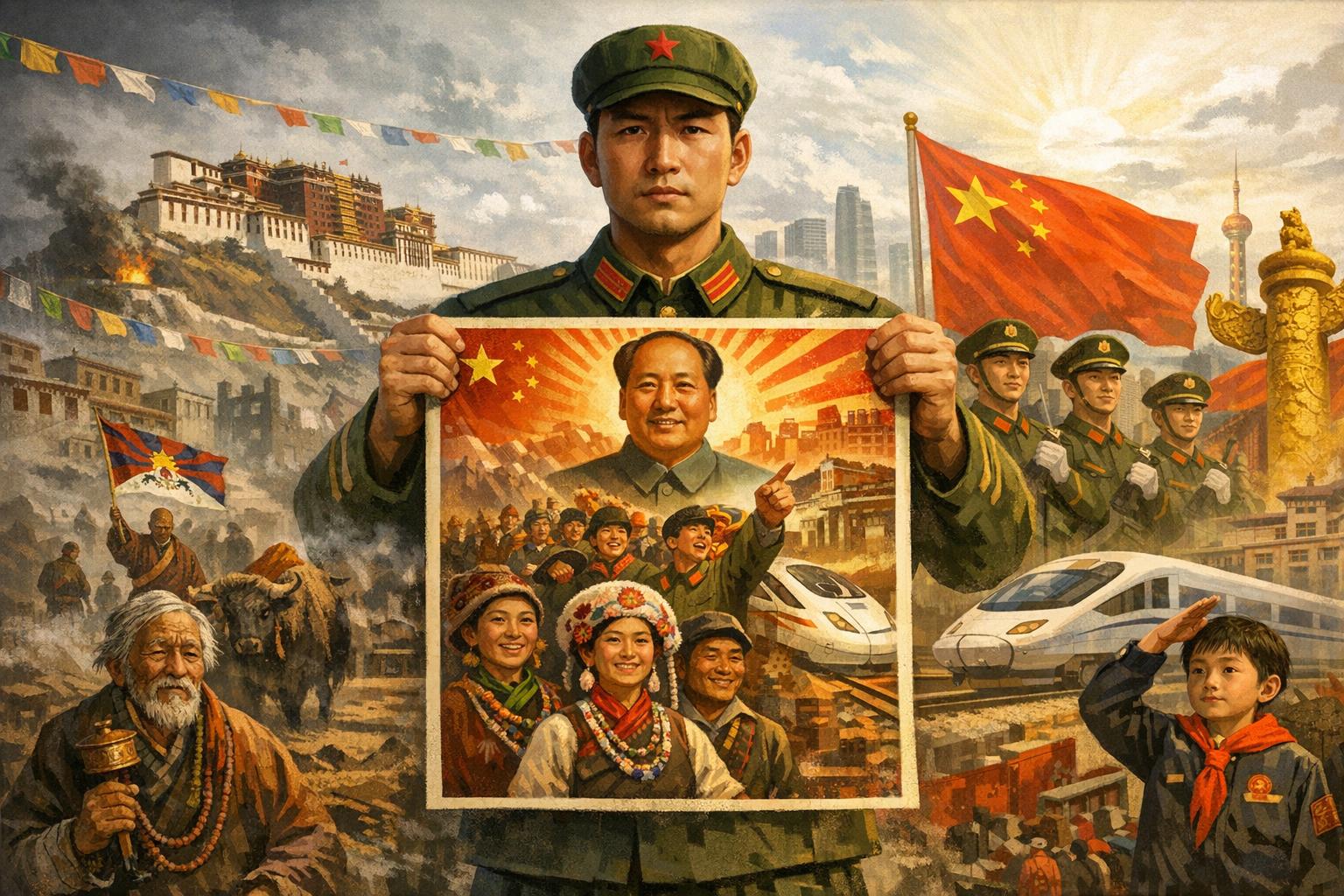
The Cultural Revolution, initiated by Mao Zedong in 1966, marked a pivotal period in Chinese history. Characterized by sweeping changes in societal structures, customs, and governance, this period aimed to safeguard Communist ideology by eliminating capitalist influences and traditional cultural elements. While these transformations affected the entire nation, the impact on Tibet was particularly profound. To fully grasp the consequences of the Cultural Revolution on Tibet, it is essential to examine the social, cultural, and political shifts that transpired throughout this decades-long period.

Political Repercussions

The Cultural Revolution markedly reshaped the political terrain in Tibet, exerting a definitive influence over the region’s governance. The Chinese government’s strategies during this period centered on consolidating power and promoting Maoist doctrines. As a result, established Tibetan leadership structures were dismantled to be replaced with authorities loyal to the central Chinese Communist Party (CCP). This upheaval not only eroded indigenous governance systems but also ignited considerable tension between the local populace and newly appointed officials. The replacement of leaders familiar with the region’s unique heritage with those aligned to the central government’s objectives had a long-lasting effect on Tibet’s political atmosphere.

One of the primary strategies employed to ensure the complete assimilation of Maoist thought was the suppression of any governance mechanism that could challenge the CCP’s authority. By removing the local leadership and installing officials committed to the party’s ideology, the CCP sought to eradicate any potential resistance to its rule. This strategic shift resulted in a fraught relationship between the Tibetan people and the CCP authorities, a dynamic that continues to influence the region’s political landscape today.

Effects on Tibetan Buddhism

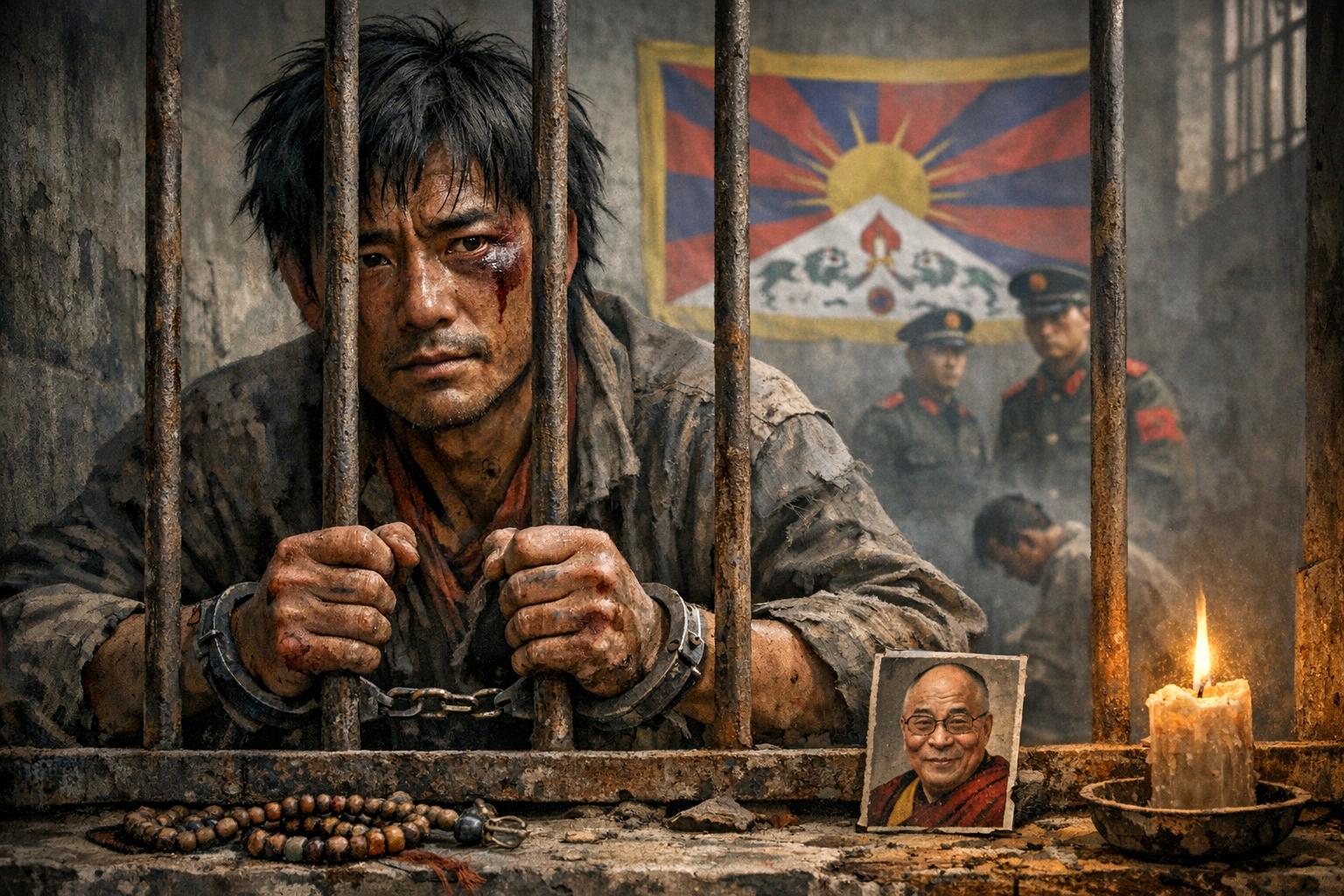
Central to Tibetan culture and identity, Tibetan Buddhism encountered formidable obstacles during the Cultural Revolution. The concerted efforts to suppress religious practices posed severe challenges to the religious community within the region. Numerous monasteries, which served as pivotal cultural and spiritual centers, were closed down, and religious activities were vehemently restricted. Religious practitioners, encompassing monks and nuns, were frequently compelled to renounce their vows, abandon monastic life, and integrate into secular society. Additionally, sacred texts, embodying centuries of religious wisdom, were systematically destroyed.

The destruction and desecration of sacred sites and religious objects were driven by the desire to eradicate what the CCP deemed as “backward” beliefs. The rationale behind this was an attempt to align Tibet’s culture with socialist values, which were perceived to be more progressive and modern. However, these measures resulted in a substantial loss of cultural heritage. The suppression of religious freedoms and destruction of spiritual landmarks contributed to the diminishing of a once-flourishing religious tradition that held great significance to Tibetan identity.

Social Transformation

On a societal front, the Cultural Revolution in Tibet sought to radically reform social structures, aiming for the dismantling of longstanding traditional hierarchies. The infusion of communist ideologies directly challenged the feudal systems that had characterized Tibetan society for centuries. This revolutionary ideological shift spurred significant tumult, compelling the population to realign with the newly promoted communist ideologies.

Traditional hierarchies, which had provided a framework for Tibetan society for countless generations, were targeted as relics of an outdated social order. In their place, new social paradigms dictated by communist ideals were established, impacting social roles, family structures, and communal relationships. This transformation extended beyond mere political rhetoric, reshaping daily life and interpersonal dynamics. While some viewed the changes as a break from restrictive social systems, for many Tibetans, the forced adoption of alien ideologies was akin to an attack on their cultural essence.

Economic Impact

Economically, the Cultural Revolution had a multifaceted impact on Tibet, inducing both progressive and regressive outcomes. In certain regions, modernization was accelerated through the introduction of novel agricultural practices. These advances brought about structural changes that altered the economic landscape and facilitated some level of increased efficiency in agricultural production.

However, such changes arrived at a steep cost. Traditional farming methods, which had sustained Tibetan communities for generations, were sidelined and, in some cases, completely abandoned. The push for collectivization and agrarian reform reshaped economic rhythms and, consequently, disrupted the rural economy that formed the backbone of Tibetan livelihoods. The disruption of traditional economic systems led to a period of uncertainty and adjustment, as communities navigated the challenges of adapting to state-imposed economic models.

Consequences and Legacy

The legacy of the Cultural Revolution in Tibet is characterized by its dual nature. On one hand, this period ushered in new developments such as infrastructure improvements and bolstered integration into the broader Chinese state. These changes contributed to Tibet’s assimilation into the country’s economic and administrative frameworks. The introduction of modern infrastructure enabled greater connectivity and accessibility, setting the stage for future advancements.

However, alongside these developments came deep-seated cultural and social disruptions with long-lasting ramifications. The substantial loss of cultural heritage, alongside the curtailment of religious freedoms, left enduring scars on Tibetan identity. The attempt to reconfigure cultural norms and practices resulted in an identity crisis that resonates within the community to this day, as contemporary Tibetan society navigates the tension between traditional values and imposed ideologies.

In sum, the Cultural Revolution in Tibet was a period of sweeping and transformative change. While fostering certain advancements, it inflicted significant cultural, social, and political alterations on the Tibetan landscape. The repercussions of this tumultuous era persistently shape Tibet’s modern identity and its relationship with the central Chinese state. Understanding these dynamics is crucial for appreciating the complexities surrounding Tibet’s historical and contemporary narrative.

The Dalai Lama’s Middle Way Approach.

The Dalai Lama’s Middle Way Approach

The Dalai Lama’s Middle Way Approach forms an essential cornerstone in the efforts to peacefully address the longstanding issue of Tibet. Stemming from the aspirations of the 14th Dalai Lama, Tenzin Gyatso, this pragmatic strategy upholds peaceful coexistence as central to its core ideals. The approach promotes achieving harmony within the framework of the People’s Republic of China, emphasizing dialogue and negotiation instead of confrontation. More than a political tactic, the Middle Way Approach is a philosophy designed to bring mutual benefits and ensure that interactions are rooted in non-violence and cooperation.

Core Principles

At the heart of the Middle Way Approach is the pursuit of a solution that adheres to the Chinese Constitution while at the same time accommodating the unique cultural, religious, and environmental necessities of the Tibetan people. It advocates for genuine autonomy as opposed to fostering desires for either independence or separation from China. This nuanced approach calls for broad-based negotiations that emphasize mutual respect and equality, ensuring that there is no encouragement for altering China’s sovereignty.

The central tenet of this principle is the emphasis on achieving autonomy that integrates Tibet into China’s political structure but grants it the freedom to manage its affairs in various key domains. This vision of genuine autonomy is rooted in the idea of preserving Tibet’s distinct identity while simultaneously seeking amicable integration within the larger nation-state. The approach is about finding a balance that respects both China’s governance and Tibet’s cultural and social fabric.

Five Point Peace Plan

A significant expression of the Middle Way Approach is encapsulated in what is known as the Five Point Peace Plan, first introduced in 1987. This plan lays out specific, pragmatic steps towards resolving the Tibetan issue. The five key components include:

Peace Zone Transformation: The plan calls for transforming the whole of Tibet into a zone of peace. This aspect envisions Tibet as a region where peace prevails, free from military conflict, and serving as a model of non-violence.

Ending Population Transfer: It seeks the abandonment of China’s policies of population transfer, which have been perceived as attempts to change the demographic composition of Tibet. This is aimed at preserving the cultural and demographic identity of the Tibetan people.

Human Rights and Freedoms: Respect for fundamental human rights and democratic freedoms of the Tibetan people forms the basis for harmonious existence. The plan insists on the adherence to rights that safeguard Tibetans’ way of life and their socio-political freedoms.

Environmental Preservation: An essential element of the plan is the restoration and protection of Tibet’s natural environment, which is crucial not only for the region but also for broader environmental stability given Tibet’s ecological significance.

Negotiations Commencement: The proposal emphatically calls for the beginning of earnest negotiations regarding Tibet’s future and the broader relationship between Tibetan and Chinese populations. Through dialogue, both parties can address grievances and map a path for future cooperation.

Negotiations and Dialogues

Since the Middle Way Approach was proposed, various rounds of dialogues have taken place between envoys of the Dalai Lama and Chinese officials. However, these dialogues have faced numerous obstacles and have not always been consistent. Dialogue and negotiation remain pivotal elements of the Middle Way Approach, representing means to foster understanding and seek common alignment. The ultimate goal is to arrive at a lasting solution that appreciates the rights and needs of both Tibetan and Chinese populations.

Dialogue is not merely a process of negotiation but a deliberate effort to build trust and share perspectives. Both sides are encouraged to engage in conversations that go beyond mere political exchanges, delving into cultural, historical, and humanitarian aspects that influence the Tibet issue. The Middle Way Approach places immense value on communication, aiming to turn seemingly insurmountable differences into opportunities for constructive compromise.

Global Support

Over the years, the Middle Way Approach has managed to secure considerable international support. Many global leaders, governments, and organizations recognize the potential of this proposal in establishing a sustainable resolution to the Tibet issue. The emphasis on peaceful dialogue and reconciliation has drawn broad approval, with endorsements highlighting the proposal’s dedication to peace and mutual recognition.

The global appeal of the Middle Way Approach lies in its balanced perspective. It underscores the importance of honoring Tibet’s historical and cultural identity while supporting the integrity of China’s territorial claims. This balanced approach aligns with global principles of human rights and diplomatic conflict resolution, making it a desirable path for many international advocates for peace.

International backing has not only strengthened the credibility of the Middle Way Approach but also reinforced the importance of finding a peaceful resolution. As Tibet occupies an important geopolitical space, the resolution of its status is widely seen as a critical milestone for regional stability. The Middle Way Approach, therefore, not only addresses regional concerns but is also perceived as a significant step towards broader global harmony.

For further information on the Middle Way Approach, interested individuals and parties may refer to resources provided by organizations like the Central Tibetan Administration. These organizations are dedicated to educating and advocating for Tibetan issues, providing comprehensive insights and resources on initiatives like the Middle Way Approach.

Ultimately, the Middle Way Approach remains an enduring and evolving strategy in the quest to resolve one of the most complex geopolitical challenges. Rooted in a firm commitment to negotiation and respect for diversity, it continues to seek an avenue for peaceful coexistence and mutual prosperity.

The role of the Free Tibet movement.

Introduction to the Free Tibet Movement

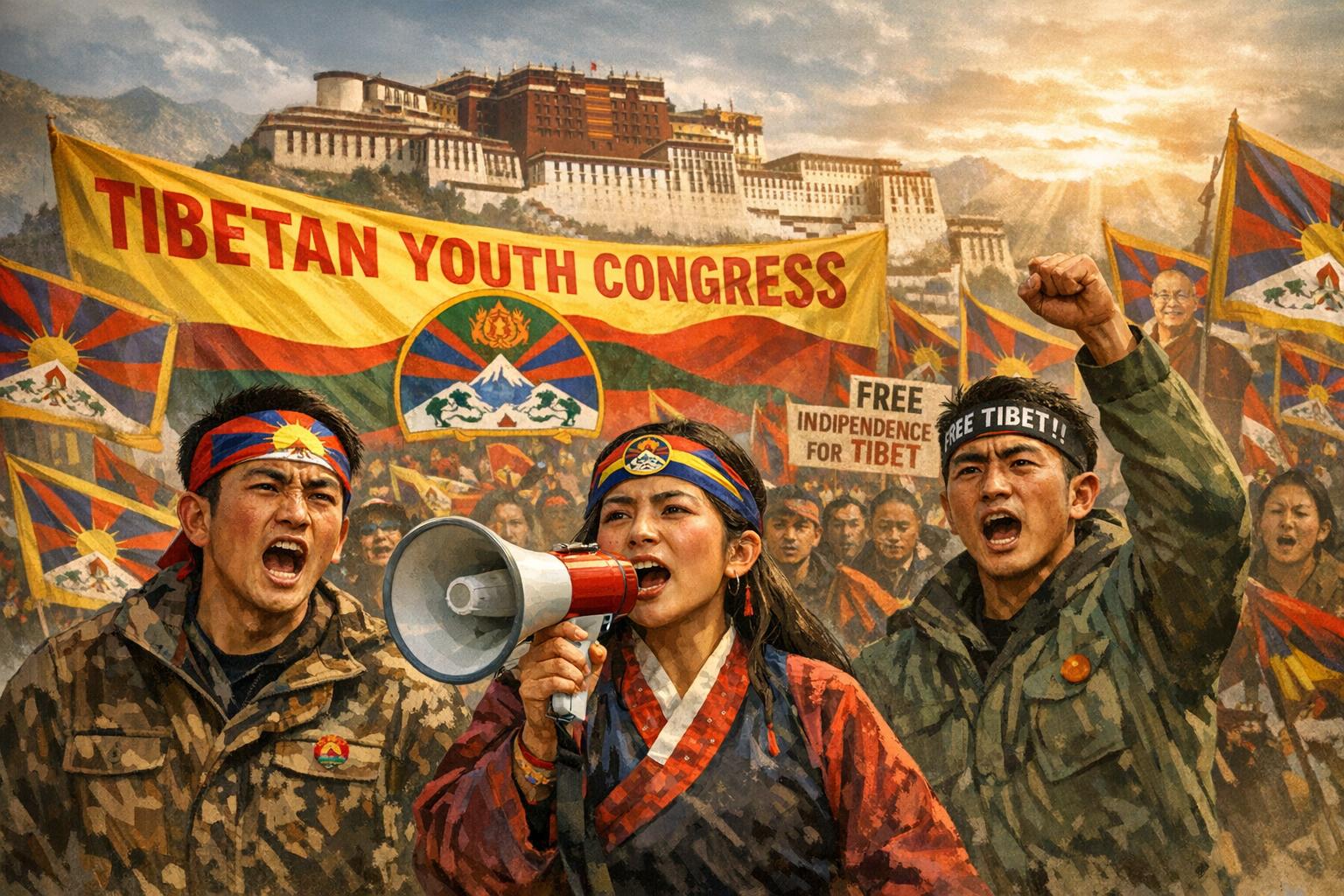
The Free Tibet movement represents a significant and enduring global campaign advocating for the autonomy and human rights of the Tibetan people. The roots of this movement trace back to the mid-20th century, specifically in response to the annexation of Tibet by the People’s Republic of China during the 1950s. Since this pivotal period, numerous organizations and activists worldwide have collaborated, amplifying calls for Tibet’s right to self-determination and the preservation of its unique cultural and religious heritage.

Historical Context

The historical tensions between Tibet and China have spanned several centuries, often characterized by conflict and contested sovereignty. In modern history, however, a decisive moment came in 1959 when the Dalai Lama, the spiritual leader of Tibet, was compelled to flee to India following an unsuccessful uprising against Chinese rule. This event not only marked a significant turning point in Tibetan history but also served as a catalyst, drawing international attention to the issue. Consequently, diverse groups advocating either for independence or greater autonomy for Tibet began to emerge, solidifying the global support seen today.

Key Objectives

The Free Tibet movement is centered around several core objectives, each aimed at different aspects of Tibetan autonomy and preservation:

1. Human Rights Advocacy: One of the crucial roles of the Free Tibet movement is highlighting alleged human rights violations occurring in Tibet. Reports of systemic discrimination, policies of cultural assimilation, and stringent restrictions on religious freedom have been brought to the fore by activists who tirelessly advocate for the rights of the Tibetan people.

2. Cultural Preservation: Advocacy efforts also focus intensely on preserving the rich cultural tapestry of Tibet, including its language, traditions, and religious practices. In the face of assimilation pressures, these efforts are vital in ensuring that Tibetan cultural identity remains robust and resilient.

3. Political Autonomy: Another primary goal of the Free Tibet movement is the pursuit of political autonomy. This involves campaigning for the recognition of Tibet’s right to self-govern and urging for negotiations that accurately reflect the political aspirations and will of the Tibetan populace at large.

International Engagement

Engagement on an international scale is a cornerstone of the Free Tibet movement. It encompasses interactions with global entities and governments to garner support for their cause. Activists within the movement have succeeded in capturing the attention of various political figures and organizations, including the United Nations. Their advocacy efforts push for constructive dialogues with the Chinese government, aiming to address the grievances of the Tibetan people and work towards a peaceful resolution.

Role of Non-Governmental Organizations (NGOs)

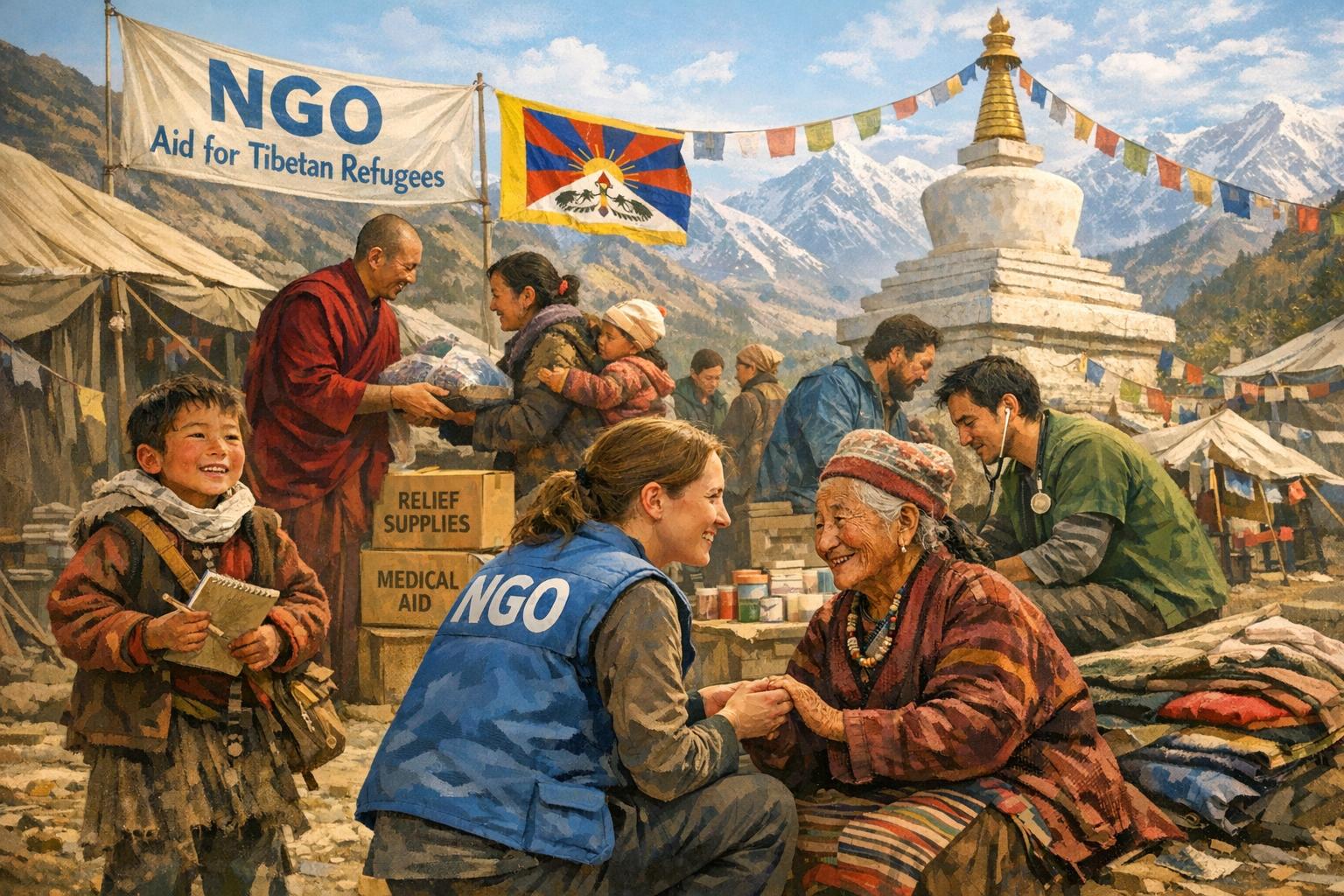
Non-Governmental Organizations (NGOs) play a pivotal role in the Free Tibet movement, each contributing uniquely to advocacy and awareness. These organizations are heavily involved in activities like lobbying, educational campaigns, and organizing demonstrations. They provide vital platforms for Tibetan voices, aiding in the promotion of campaigns designed to mobilize global support and amplify awareness about the situation in Tibet.

Challenges Faced

Despite its widespread reach and influence, the Free Tibet movement contends with significant challenges. Foremost among these are the geopolitical sensitivities entwined with the issue. Discussions surrounding Tibet’s independence or autonomy have the potential to influence diplomatic relations between nations, particularly those maintaining substantial economic ties with China. Moreover, acquiring accurate information from within Tibet itself presents substantial difficulties, owing to stringent restrictions and controls imposed by Chinese authorities. This restricted access often complicates efforts to construct an accurate picture of the conditions within Tibet and to advocate effectively for change.

Conclusion

Despite facing numerous obstacles, the Free Tibet movement persists as an essential voice in the global dialogue advocating for human rights and self-determination. The movement’s ongoing efforts are critical in raising awareness about the Tibetan cause and striving towards resolving the conflict in a manner that reflects and respects the rights and desires of the Tibetan people.

For individuals interested in learning more or becoming actively involved, a myriad of resources is available via the internet. Organizations like the Save Tibet and the Free Tibet Campaign offer comprehensive updates on the Tibetan cause and practical actions individuals can take to support the movement. Through continued collective efforts and global solidarity, the aspirations of the Tibetan people for autonomy and cultural preservation can continue to gain momentum and recognition on the world stage.

The international community’s response to the Tibetan struggle.

Overview of the Tibetan Struggle

The Tibetan struggle refers to the ongoing political and human rights challenges faced by the Tibetan people. Historically, Tibet enjoyed centuries of varying degrees of autonomy before coming under more direct Chinese control in the mid-20th century. In 1950, the People’s Republic of China asserted its authority over Tibet, marking the beginning of a long-standing conflict regarding the region’s political status and cultural preservation.

The Tibetan struggle, rooted in history and cultural preservation, has persisted amid significant international attention and influence from both governmental and non-governmental entities. While the central focus remains on autonomy and human rights, the intricacies of the struggle extend far beyond these, involving complex geopolitical dynamics, cultural identity, and economic considerations.

The Role of the International Community

The international community’s response to the Tibetan struggle has been multifaceted, involving diplomatic, humanitarian, and advocacy efforts. Various countries and organizations have expressed concerns over the situation, although responses have been influenced by broader geopolitical considerations.

Diplomatic Responses

Many Western nations have, over the years, expressed support for the protection of human rights and ethnic cultural preservation in Tibet. Prominent figures, including the Dalai Lama, have been received by government leaders, highlighting international diplomatic engagement. These meetings, while symbolically significant, often draw criticism from Beijing, which views them as interference in its internal affairs. The reception of Tibetan leaders by foreign governments serves as a testament to the global recognition of the unique cultural and political issues facing Tibet, yet it also reflects the delicate balance that many countries attempt to maintain in their foreign policy strategies. Despite being largely symbolic, these diplomatic efforts underscore a broader commitment to human rights and cultural preservation.

United Nations Involvement

The United Nations has addressed the Tibetan issue on several occasions. Various human rights bodies have published reports and made recommendations regarding the treatment of Tibetans under Chinese rule. However, resolutions specifically targeting the situation in Tibet have been limited due to the complex nature of international alliances and China’s influential position within the UN framework. The role of the UN is often constrained by broader geopolitical considerations, although its activities continue to serve as vital platforms for raising awareness and garnering broader global attention to the Tibetan situation. The limitations faced within the UN framework highlight the challenges of effecting tangible changes amidst dominant geopolitical influences.

Challenges in International Advocacy

Despite ongoing advocacy, achieving concrete policy changes remains challenging. China’s economic influence and strategic partnerships often limit the scope of international pressure. Many countries, while expressing concern, must balance human rights advocacy with economic interests, which complicates collective international action. The Tibetan struggle is thus framed within a much broader discourse on international relations, reflecting the dichotomy between the promotion of human rights and the pursuit of economic or strategic interests. The complexity lies in maintaining a coherent narrative of advocacy that complements tangible policy actions on a global scale, an endeavor that continually faces obstacles due to the prevailing economic and political dynamics.

Non-Governmental Organizations and Advocacy Groups

Several non-governmental organizations (NGOs) and advocacy groups play a vital role in raising awareness and promoting the Tibetan cause. These organizations focus on documenting human rights abuses, supporting Tibetan cultural preservation, and lobbying for international support. Key advocacy groups employ a range of strategies, from grassroots campaigns to engaging with political leaders and international forums. NGOs such as the International Campaign for Tibet or Human Rights Watch actively participate in these initiatives, illustrating the critical role of civil society in advocating for Tibetan rights.

Cultural Preservation Efforts

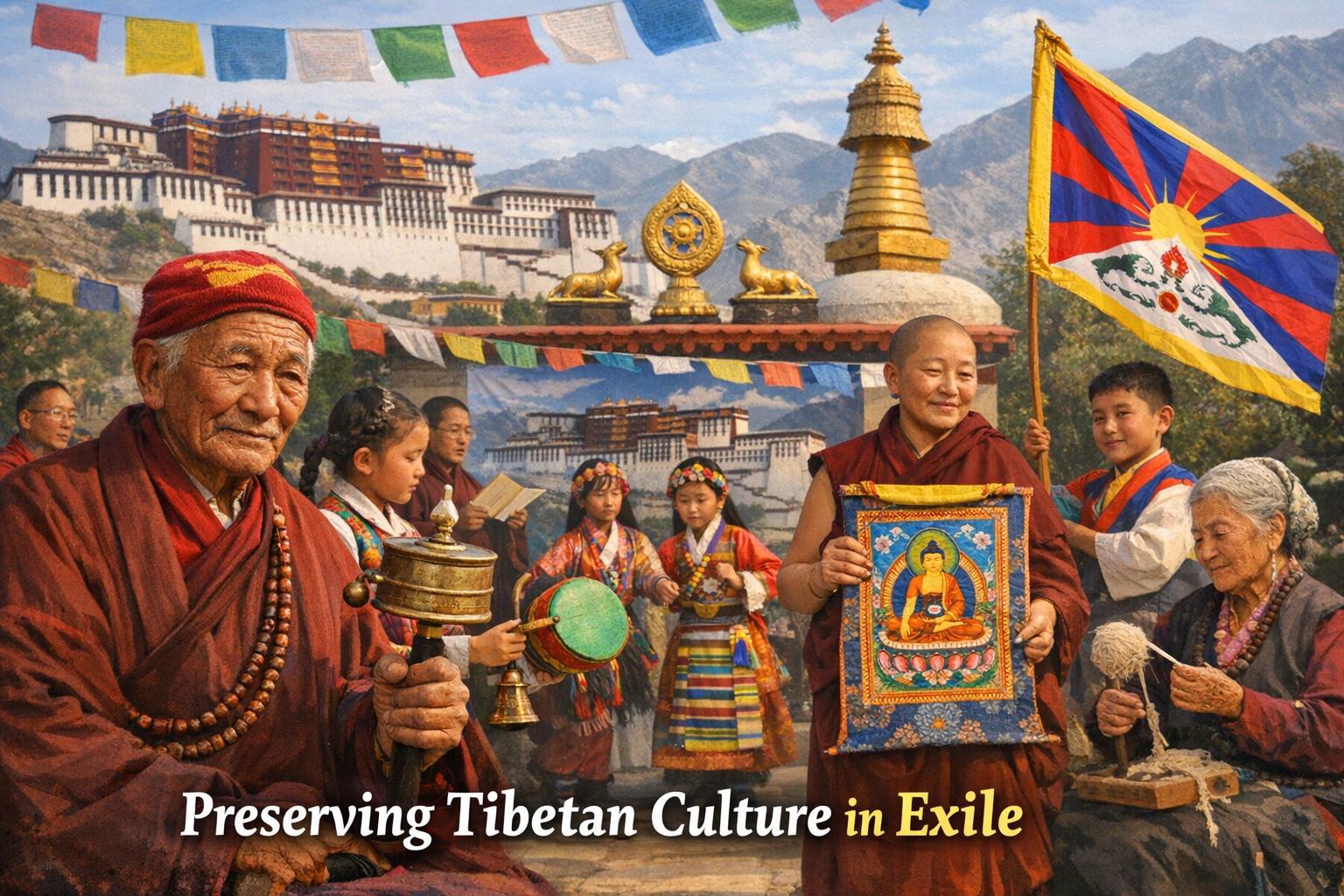
The preservation of Tibetan culture is a crucial aspect of international efforts. Many organizations work to support Tibetan cultural events and initiatives, both within Tibet and in the global diaspora. Educational programs and cultural exchanges are frequently supported to promote Tibetan language, arts, and heritage. These cultural preservation endeavors underscore the importance of maintaining the distinct Tibetan identity amidst external influences and internal challenges. Through various channels, including educational initiatives, cultural exchanges, and the documentation of arts and heritage, these efforts aim to foster a deeper appreciation and understanding of the rich Tibetan culture globally. The role of cultural preservation is pivotal, serving both as a form of resistance and a mechanism for fostering global solidarity.

Conclusion

The international community’s response to the Tibetan struggle encompasses a variety of efforts, from diplomatic engagements and UN resolutions to advocacy by NGOs. While these initiatives have raised the issue’s profile globally, geopolitical considerations mean that significant policy changes are often challenging to realize. The realities of international politics, coupled with extensive economic considerations, often limit the efficacy of broader advocacy efforts. While global awareness has undoubtedly increased, the translation of this awareness into effective policy action remains fraught with challenges. Navigating these complexities requires a nuanced understanding of both the Tibetan cause itself and the intricate web of international relations that surround it.

For more information on the current state of the Tibetan struggle, one can refer to resources such as reports from Human Rights Watch or the International Campaign for Tibet. These platforms offer detailed insights and reports that underscore the ongoing nature of the struggle and the multifaceted approaches being undertaken to address the associated challenges. The Tibetan struggle remains a testament to enduring efforts for autonomy, cultural preservation, and human rights, encapsulating broader narratives of resilience and global solidarity amid prevailing complexities.

How tourism impacts Tibetan culture.

Introduction

The impact of tourism on Tibetan culture is a multifaceted issue that encompasses both positive and negative aspects. As one of the most unique and culturally rich regions in the world, Tibet draws tourists interested in its ancient traditions, religious significance, and stunning landscapes. However, this increasing influx of tourists also poses challenges to the preservation and sustainability of Tibetan culture.

Economic Benefits

Tourism has emerged as an important source of revenue for Tibet, contributing significantly to the local economy. By providing employment opportunities, tourism has a profound effect on the livelihood of the Tibetan people. Jobs in tourism-related industries—such as hospitality, transportation, and cultural services—offer a means of income for numerous Tibetans. This economic input can subsequently lead to improvements in public infrastructure, healthcare, and educational institutions, all of which are beneficial for the community.

The economic advantages brought about by tourism are not limited to job creation. The influx of tourists translates into increased revenue for local businesses, such as hotels, restaurants, and craft shops. These businesses, in turn, contribute to the economic cycle, further strengthening the local economy. This improvement in economic conditions can facilitate socio-economic development, offering broader access to amenities previously beyond reach for many local residents.

Cultural Exchange

Another significant impact of tourism is the facilitation of cultural exchange. The interaction between tourists and Tibetans fosters an environment for cultural exchange that can promote understanding and appreciation of Tibetan culture on a global scale. Visitors have the opportunity to gain unique insights into Tibetan religious practices, such as those observed in monasteries and local festivals, along with everyday lifestyle. This exposure helps to create a broader understanding and respect for Tibetan cultural traditions.

In turn, Tibetans are provided with an opportunity to learn about different cultures, perspectives, and lifestyles brought by tourists from around the world. This cultural exchange benefits both parties by enriching their global awareness and fostering mutual respect and international ties.

Cultural Preservation and Commodification

While tourism can aid in the preservation of cultural heritage by generating funds that can be redirected towards cultural conservation projects, it also introduces the risk of commodification of culture. Some traditions and customs may be altered, exaggerated, or even fabricated to better appeal to tourists, potentially distorting their original meanings and significance. This commercialization of culture can lead to a loss of authenticity and could misrepresent or diminish the true value of Tibetan traditions.

Nevertheless, the commercialization of culture is not always negative, as it can serve as a necessary adaptation to external influences. In some cases, it provides an opportunity for cultural traditions to evolve and remain relevant in a changing world. However, balancing preservation with adaptation is crucial to maintaining the essence of Tibetan culture.

Environmental Impact

The natural environment of Tibet is as much a part of its cultural heritage as its temples and festivals. Increased tourism can lead to environmental degradation through pollution, habitat destruction, and strain on local resources. As tourists visit Tibet’s iconic landscapes—such as the Himalayas, sacred lakes, and vast grasslands—their presence can inadvertently harm the very environments they seek to experience.

The increasing number of visitors poses challenges such as waste management, water consumption, and the carbon footprint associated with tourism. These environmental issues threaten both the natural beauty of the region and the cultural heritage it supports. Protecting these landscapes is vital for the well-being of both the ecosystem and the cultural identity intrinsic to Tibet.

Conservation Efforts

Efforts are being made to mitigate the negative impacts of tourism and promote sustainable practices. Some local and international organizations focus on sustainable tourism, aiming to minimize environmental damage and support the conservation of Tibetan culture. These initiatives often include guidelines for responsible tourism, emphasizing the importance of respecting local customs and environments.

Conservation efforts may involve restoring and maintaining cultural sites, promoting eco-friendly practices among visitors, and supporting local community projects aimed at preserving traditional knowledge and customs. Additionally, educational programs for both tourists and locals can play a role in raising awareness about the cultural and environmental significance of the region, encouraging a more conscientious approach to tourism.

Conclusion

The impact of tourism on Tibetan culture is significant and complex. While it brings economic and educational benefits that contribute positively to the region, it also poses challenges related to cultural authenticity and environmental sustainability. To maintain the integrity of Tibetan culture, it is essential to promote responsible tourism practices that respect and preserve both the cultural and natural landscapes of this unique region. Balancing the demands of tourism with the preservation of tradition and environment will ensure that future generations can continue to experience and appreciate the distinct and rich cultural heritage of Tibet.

The exploitation of Tibet’s natural resources by China.

The Backdrop of Resource Exploitation in Tibet

The Tibetan Plateau, commonly known as the “Roof of the World,” stands out not just for its breathtaking landscapes but also for its abundance of natural resources. These resources have increasingly attracted attention, particularly from neighboring China. China’s interest is driven by the need to fuel its rapidly expanding economy, and Tibet, located in the western part of China, emerges as a vital cog in this endeavor. The region is endowed with significant mineral, freshwater, and forest resources, all playing critical roles in sustaining China’s growth trajectory.

Mineral Resources in Tibet

Home to a myriad of mineral deposits, Tibet houses copper, gold, and lithium — all of which are highly sought after by industries globally. The exploitation of these minerals by Chinese enterprises has become increasingly systematic and extensive, significantly contributing to various industrial sectors. Copper, for instance, is indispensable in manufacturing electrical equipment due to its excellent conductivity and durability. Meanwhile, lithium’s importance has exponentially increased because of its pivotal role in producing energy-dense batteries for electric vehicles, a sector experiencing rapid growth. Yet, the extraction of these minerals brings with it considerable environmental and social hurdles, requiring judicious management.

Environmental Concerns

The process of extracting these minerals inevitably results in environmental disturbances that are often detrimental. Mining activities frequently lead to deforestation, potentially stripping entire areas of their natural vegetative cover and causing prolonged ecological imbalances. Soil erosion is another consequence, as the removal of vegetation destabilizes the soil, making it more susceptible to being carried away by wind or water. A more severe environmental threat stems from water contamination, where mining processes introduce harmful substances into water bodies. Given that the Tibetan Plateau is the source of many major rivers, these activities can have detrimental effects on river ecosystems, ultimately endangering the communities relying on these essential water sources.

Water Resources

Touted as the “Third Pole” owing to its vast ice fields, the Tibetan Plateau serves as the starting point for several of Asia’s significant rivers. These include iconic rivers such as the Yangtze, Yellow, and Mekong Rivers. The strategic significance of these water resources has motivated substantial Chinese investment in hydroelectric projects. Hydropower, while inherently a clean and renewable source of energy, brings its own set of environmental challenges. The construction of massive dams, pivotal for harnessing hydroelectric power, can cause substantial disruptions to local ecosystems, affecting aquatic biodiversity and river dynamics. Moreover, the development of dam infrastructure frequently necessitates the relocation of local populations, thus altering livelihoods and social structures.

Societal Impacts

The extensive exploitation of Tibet’s natural resources has generated noticeable shifts in the societal fabric of the region. An influx of workers from other parts of China has led to demographic changes, occasionally causing tensions between indigenous Tibetans and the newly settled migrant population. Development policies adopted by the Chinese government sometimes place paramount importance on resource extraction, potentially sidelining the traditional practices and lifestyles of the Tibetan people. These demographic alterations and policy decisions can result in social, cultural, and economic stress within local communities. Balancing development objectives with the preservation of traditional ways of life becomes critical in maintaining societal harmony.

Policy and Development Considerations

The Chinese government has consistently articulated that resource development in Tibet aligns with broader national objectives aimed at enhancing local infrastructure and improving living conditions. Despite these assertions, various environmental advocacy groups and human rights organizations have raised concerns about the methodologies and the pace at which development is transpiring in the region. Critics argue that the aggressive pursuit of economic growth often marginalizes ecological sustainability and cultural preservation, igniting debates around the optimal balance between deriving economic benefits and maintaining Tibet’s rich cultural heritage and pristine environments.

Balancing Economic Growth and Cultural Preservation

The paramount challenge remains to balance economic growth initiatives with the preservation of Tibet’s unique cultural and environmental tapestry. Achieving this balance mandates implementing a nuanced, multi-faceted approach that incorporates the rights and input of local communities, prioritizes the safeguarding of ecological systems, and ensures the sustainable utilization of resources. Adaption of modern sustainable practices that respect both human and environmental elements could serve as a model globally.

The path forward for Tibet lies in how these resource management challenges are navigated. Collaboration among governments, businesses, and local communities is essential to guaranteeing that developmental progress is achieved equitably and sustainably. Continued dialogue and negotiated agreements can help align interests in a manner that promotes long-term stability and prosperity for the Tibetan Plateau and its diverse inhabitants.

A more profound exploration of sustainable development practices aimed at Tibetan areas could yield valuable insights and strategic frameworks. This can be pursued through dedicated resources and reports, offering a deeper understanding of how such practices can be implemented effectively and equitably.

The forced resettlement of Tibetan nomads.

The Context of Resettlement

The forced resettlement of Tibetan nomads forms part of the broader initiatives undertaken by the Chinese government in regions like the Tibetan Plateau. Over the years, these policies have been justified as efforts to modernize and improve the living conditions of these communities. According to Chinese authorities, resettlement is presented as a way to provide better access to education, healthcare, and infrastructure. However, the actual impact of these policies on the nomadic lifestyle and Tibetan culture remains a point of contention.

The policies for resettlement not only reflect a transformative agenda but also a complex interplay between socio-economic development and cultural preservation. The outcome of such initiatives is multifaceted, with implications extending from individual lives to communal identities.

Traditional Nomadic Lifestyle

Tibetan nomads, commonly known as “drokpa” in Tibetan, have traditionally led a pastoral lifestyle characterized by herding yak and sheep across the vast grasslands of the Tibetan Plateau. This way of life is not only an economic necessity but also deeply intertwined with cultural and spiritual practices. Nomadic movements are dictated by the seasons, allowing these communities to manage the ecosystem of the plateau sustainably.

The ecosystem of the Tibetan Plateau, often referred to as the “Roof of the World,” is fragile. The drokpa’s traditional lifestyle contributes significantly to its preservation. Their seasonal migrations prevent overgrazing, ensuring that the land remains viable for future generations. This pastoral lifestyle has been honed over centuries, providing a symbiotic relationship between the nomads and their environment.

Despite the challenges of a migratory lifestyle, such as harsh weather conditions and limited access to modern amenities, the Tibetan nomads have forged a resilient culture. Each migration is accompanied by established rituals and community practices, reinforcing social bonds and ensuring the transmission of cultural knowledge across generations.

Government Policies and Implementation

Since the early 2000s, several government initiatives have been introduced that promote the resettlement of Tibetan nomads into permanent housing. Notably, the “comfortable housing” policy and “ecological resettlement” programs are among these initiatives. The primary objective cited is to alleviate poverty and mitigate environmental decay purportedly caused by overgrazing.

These policies involve constructing new villages with modern amenities. Often, these villages are on the outskirts of urban areas, where infrastructure such as roads, schools, and hospitals are more readily accessible. The new villages symbolize a shift towards a more sedentary lifestyle, offering prospects of integrating into broader economic systems and enhancing living standards.

Nevertheless, there remains a debate regarding whether the benefits of such amenities outweigh the loss of traditional lifestyles and cultural autonomy. The essence of the drokpa’s existence is intricate, woven with cultural threads that are not easily translated into modern urban living.

The government also justifies these policies under the guise of environmental sustainability. The narrative suggests that reducing overgrazing will enable ecological recuperation. However, there is a counter-dialogue about whether urban resettlement of nomads indeed aids ecological progress or overlooks the nomads’ intrinsic role in environmental stewardship.

Impact on Culture and Identity

The movement from a nomadic to a sedentary lifestyle has significant cultural implications. For many Tibetans, resettlement holds the potential for a loss of cultural identity. Elements such as religion, local languages, and communal living practices are closely intertwined with their traditional way of life. Critics argue that the forced shifts may undermine these cultural practices, posing a threat to the preservation of Tibetan heritage.

As nomads transition to life in newly constructed settlements, there is a palpable risk of cultural dilution. Practices that were once common in the pasturelands may not translate well into urban settings. The disintegration of nomadic traditions can lead to diminished cultural practices and a weakened connection to ancestral heritage.

Furthermore, communal life — a cornerstone of Tibetan nomads’ identity — may be compromised in resettlement. In their traditional settings, community living encourages participation in collective decision-making and shared responsibilities. Moving to a more individualistic urban setting challenges these social fabrics, leading to potential isolation.

International Reactions and Concerns

Several international human rights organizations have expressed concerns regarding the forced nature of these resettlements. They argue that the policies may infringe on the rights of Tibetan nomads to maintain their traditional practices and question the extent of the nomads’ consent to such moves. Advocacy groups urge for more transparent dialogues between the authorities and the affected communities to ensure that the nomads’ voices are considered in development plans.

The international community has called for a reevaluation of these policies. They emphasize that development should not come at the cost of cultural erosion and stress the importance of voluntary participation in resettlement programs.

Moreover, there is a growing appeal for preserving worldwide cultural diversity. Ensuring that Tibetan nomads can continue their lifestyle honors their heritage and enriches global cultural landscapes.

Ultimately, these issues draw attention to the broader conversation about cultural autonomy and development. As the march towards modernization continues, there arises a crucial need to balance progress with respect for cultural heritage and identity preservation.

The environmental significance of the Tibetan Plateau.

The Role of the Tibetan Plateau in Global Climate

The Tibetan Plateau, often referred to as the “Roof of the World,” plays a critical role in the Earth’s climate system. Serving as the highest and largest plateau on Earth, with an average elevation exceeding 4,500 meters, it has a profound impact on atmospheric circulation patterns. This impressive height and extensive area act as a natural barrier that influences the Asian monsoon system, a major driver of seasonal weather across Asia. Therefore, any changes occurring in the Tibetan Plateau have the potential to alter monsoon patterns, subsequently affecting agricultural productivity throughout the region.

Glacial Significance and Water Supply

The Tibetan Plateau is home to an impressive number of glaciers, particularly concentrated in its eastern and central areas. These glaciers function as crucial water reserves, significantly impacting regional water supplies. Often referred to as the “Third Pole,” this area houses the largest ice masses outside of the polar regions. When these glaciers melt, the water feeds into several prominent rivers, including the Yangtze, Yellow, and Mekong, which serve as vital lifelines for over a billion people in Asia. The retreat of these glaciers, accelerated by climate change, poses a significant risk to water security, potentially resulting in water scarcity. Such changes can have cascading effects on agriculture and hydropower generation, both critical components of regional economies.

Carbon Storage and Earth System Processes

Beyond its influence on regional hydrology, the Tibetan Plateau serves as a vital element within the global carbon cycle. Its soil and vegetation store significant amounts of carbon, which, if released, could exacerbate global warming. Scientific research suggests that the warming of the plateau has the potential to accelerate permafrost thawing, releasing greenhouse gases such as carbon dioxide and methane into the atmosphere. This process could have far-reaching implications for global climate regulation, highlighting the importance of monitoring and mitigating potential carbon release from this region.

Biodiversity and Ecosystem Services

The unique ecosystems of the Tibetan Plateau provide a home to a diverse array of flora and fauna, all specially adapted to endure the harsh high-altitude conditions. These biological communities offer numerous ecosystem services, from maintaining soil stability to supporting biodiversity. Plant species in this region have evolved to cope with extreme temperature fluctuations and low oxygen levels, contributing to their remarkable resilience. However, the threats posed by climate change present challenges to this biodiversity, underscoring the urgent need for conservation efforts to safeguard these vital ecosystems and their services.

Geopolitical Implications and Research Importance

Environmental changes occurring in the Tibetan Plateau are not confined to ecological concerns alone; they also carry significant geopolitical implications. Given its pivotal role in regional hydrology and climate regulation, alterations in the plateau could have widespread consequences for neighboring countries. This situation emphasizes the necessity of fostering international cooperation in research and environmental management. Conducting scientific endeavors in this region is crucial for accurately modeling potential climate impacts and strategizing adaptive measures to address prospective outcomes effectively.

In summary, the Tibetan Plateau possesses considerable environmental significance that extends well beyond its immediate geographic confines. Its influence on regional and global systems necessitates continued research and careful stewardship to mitigate the impacts of climate change. Such efforts are essential to ensure the sustainable management of its resources and to maintain the delicate balance of atmospheric processes that this region so profoundly affects. This deliberate focus not only seeks to preserve the ecological and hydrological functions of the plateau but also aligns with broader goals of global climate stability and security.

The impact of China’s policies on the Tibetan language.

The Impact of China’s Policies on the Tibetan Language

Introduction

The Tibetan language forms an essential foundation for the cultural identity of the Tibetan people. Serving as a communication tool and a vessel for centuries of accumulated knowledge, traditions, and beliefs, it extends beyond mere words. In recent decades, China’s policies have had a considerable impact on the Tibetan language, affecting its use, teaching practices, and preservation efforts. This article seeks to dissect these influences, understand their ramifications, and assess the potential paths forward for maintaining Tibetan linguistic heritage.

Language Policy and Education

China’s governmental approach has shifted progressively towards Mandarin Chinese as a dominant language in educational and administrative domains in Tibet. The education system in Tibet has undergone transformations where Mandarin is increasingly the primary medium of instruction. This policy aims at fostering integration into the broader Chinese economy and society, considering Mandarin’s status as the national lingua franca.

Despite the integration goals, this shift in educational policy has raised concerns regarding its detrimental effects on the preservation of Tibetan. The diminishing focus on the Tibetan language in schools reduces the time and resources dedicated to its instruction. Younger generations in Tibet face environments where opportunities to learn and master Tibetan are limited compared to Mandarin, posing risks for linguistic diversity and cultural richness.

Effects on Language Preservation

Preservation of the Tibetan language faces formidable challenges, primarily due to the inclination towards Mandarin for official communications and education. Some Tibetan language institutions are making efforts to keep the language alive, but they often confront obstacles such as insufficient funding and limited institutional support.

Community-driven initiatives play a crucial role in fostering an environment where Tibetan can thrive outside the formal education framework. Local communities, along with non-governmental organizations (NGOs), are attempting to promote Tibetan language proficiency through literacy programs, media initiatives, and cultural workshops. These endeavors aim to rekindle interest in the Tibetan language and ensure that it retains its relevance amid shifting educational paradigms.

Cultural and Social Implications

Language is intrinsically linked to culture, shaping and reflecting the beliefs, traditions, and social norms of a community. The policies influencing the Tibetan language carry cultural and social weight, with potential implications for the transmission of cultural identity across generations. Language serves as a conduit for cultural expressions, narratives, and oral traditions. Any alterations in its status may disrupt cultural transmission, with younger Tibetans possibly losing fluency and affinity with their native language.

Children and young adults increasingly educated in Mandarin may become detached from the rich tapestry of Tibetan oral and cultural traditions. Over time, this linguistic disconnect could lead to a diminishing familiarity with cultural practices and contribute to cultural homogenization.

Government and International Response

The Chinese government has positioned its language policies within a framework that emphasizes economic development, national unity, and social integration. From its perspective, emphasizing Mandarin serves not only as a tool for economic progress but also as a catalyst for social cohesion across China’s diverse ethnic regions, including Tibet.

However, the international community and human rights organizations have raised concerns around these strategies. International observers and Tibetan advocacy groups underscore the importance of linguistic and cultural rights as fundamental human rights. These groups argue that safeguarding linguistic diversity is paramount for protecting cultural identities and preventing cultural erosion.

To this end, there have been calls for China to adopt a more balanced approach in its language policy that allows space for both Mandarin and Tibetan in educational, official, and public spheres. The advocacy efforts focus on the preservation of heritage languages as a way to respect the cultural rights of minority communities.

Conclusion

The future of the Tibetan language is at a crossroads, shaped by evolving educational priorities, policy pressures, and grassroots preservation efforts. The pursuit of development and integration must be balanced with the respect and support for linguistic diversity if the richness of Tibet’s cultural heritage is to endure.

Organizations devoted to cultural preservation play a vital role in safeguarding the Tibetan language for future generations. Their efforts, combined with increased awareness and understanding of these complex issues, create an avenue for dialogue and action. It is through this nuanced understanding and robust engagement that the vibrant tapestry of Tibetan linguistic and cultural identity can continue to thrive amidst the complexities of modern geopolitical landscape.

The cultural genocide in Tibet.

The Cultural Genocide in Tibet

Cultural genocide involves efforts to systematically dismantle the core elements that define a group’s unique cultural identity, such as traditions, values, and language. In the case of Tibet, this concept is crucial for comprehending the strategies employed by the People’s Republic of China since it took control of the region in 1950. These strategies have profoundly influenced the cultural and social landscape of Tibet.

Historical Context

The genesis of cultural issues in Tibet begins with the entry of the People’s Liberation Army (PLA) into the region in 1950, marking the start of significant political and cultural changes. The ensuing Seventeen Point Agreement of 1951 was meant to assure Tibetan autonomy and the preservation of Tibetan cultural heritage. Although it offered promises, the reality unfolded quite differently. The subsequent decades saw numerous policies that systematically undermined Tibet’s cultural framework, leading to notable erosion and transformation of its cultural identity.

Religious Suppression

Religion, particularly Tibetan Buddhism, is an integral component of Tibetan culture and identity. However, this aspect of Tibetan life has come under intense scrutiny and suppression. Monasteries, which have traditionally been the epicenters of cultural education, learning, and spiritual life, faced a wave of destruction and repurposing. The Cultural Revolution from 1966 to 1976 marked an especially intensive period of suppression, during which many religious sites were obliterated or severely damaged, and traditional religious practices were either prohibited or significantly restricted. Although there was a slight relaxation in these policies following the end of the Cultural Revolution, control and surveillance over religious leaders and institutions remain rigorous and unyielding. This continuous oversight serves to curtail the full expression of Tibetan Buddhism as an integral part of cultural identity.

Language and Education

Language policy in Tibet is a poignant example of cultural assimilation efforts. The promotion of Mandarin Chinese over the Tibetan language has served as a powerful tool in cultural assimilation. Although there are provisions for Tibetan-language instruction, Mandarin is heavily prioritized, especially in urban areas and higher education systems. This language prioritization effectively marginalizes Tibetan cultural traditions, as these traditions are intimately connected to the language. The pressure on younger generations to excel in Mandarin for socio-economic advancement further exacerbates the erosion of traditional language usage.

Demographic Changes

An important dimension of cultural transformation in Tibet has been influenced by demographic changes orchestrated through incentivized Han Chinese migration. The influx of Han Chinese into Tibetan areas has significantly altered the cultural landscape, diluting the Tibetan cultural presence in their own homeland. As a result, the indigenous Tibetans find themselves in a minority, further complicating efforts to preserve and promote their cultural heritage.

International Perspectives

These issues have not gone unnoticed on the international stage. Various international human rights organizations have documented and reported on the systematic cultural degradation taking place in Tibet. These reports bring to light the severity of the cultural erasure efforts and underline the need for international intervention and advocacy. Human Rights Watch’s report on China and Tibet is a valuable resource for those seeking a deeper understanding of human rights in the region and the global advocacy efforts underway.

Challenges in Data and Reporting

The reporting and documentation of cultural issues in Tibet face significant obstacles due to restricted access to the region. Foreign journalists and researchers encounter considerable difficulties in gaining entry, resulting in challenges for accurate reporting and comprehensive data collection. Given these restrictions, external evaluations often depend heavily on the accounts and reports from Tibetan exiles and non-governmental organizations (NGOs), which gather information through various channels.

In Conclusion, the notion of cultural genocide in Tibet encompasses a wide range of policies and practices that have deeply impacted the Tibetan identity. Suppression of religious practices, language assimilation policies, and demographic shifts all contribute to the dilution of the unique Tibetan culture. Addressing this issue requires relentless monitoring, advocacy, and a commitment to preserving the irreplaceable heritage of the Tibetan people. The ongoing efforts by international organizations and Tibetan communities worldwide are crucial for ensuring that Tibet’s cultural legacy is safeguarded for future generations.